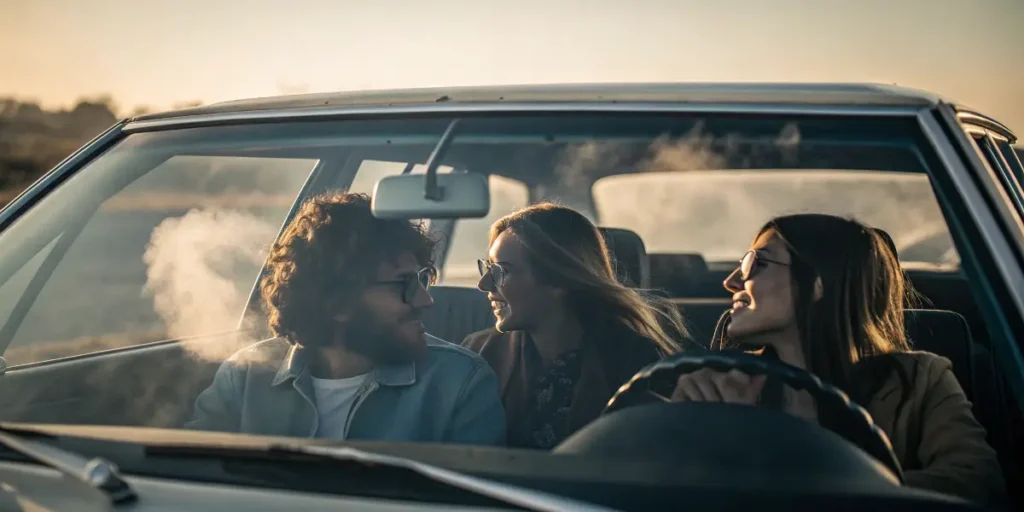

Hotboxing means smoking cannabis in a small, enclosed or poorly ventilated space so smoke builds up in the air. The practice is usually associated with cars, bathrooms or small rooms. Because people inside continue breathing secondhand cannabis smoke, hotboxing can increase THC exposure in extreme unventilated conditions, but it also increases exposure to smoke pollutants.
What Does Hotboxing Mean?
Hotboxing is the practice of smoking cannabis inside an enclosed or poorly ventilated space so the smoke accumulates instead of quickly dispersing.
Recommended Strains
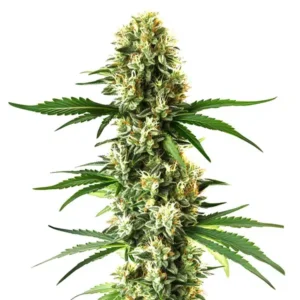
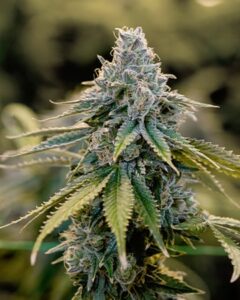
Nikki & Swami’s Lemon Og

|
THC | 18% - 20% (Medium) |

|
Lineage | Lemon Skunk x Original OG |

|
Type | Feminized |

|
Height | 3.28 ft | 1 m |

|
Yield | High |

|
Yield Indoor | 1.47 - 1.8 oz/ft² | 450 - 550 g/m² |

|
Yield Outdoor | 21.16 - 28.22 oz/plant | 600 - 800 g/plant |

|
Flowering Time | 8 - 10 weeks |

|
Phenotype | 55% Indica / 45% Sativa |

|
Medical | Fatigue, Muscle Spasms, Stress |

|
Effects | Creative, Happy, Relaxed |

|
Flavors | Citrus, Lemon, Pine |
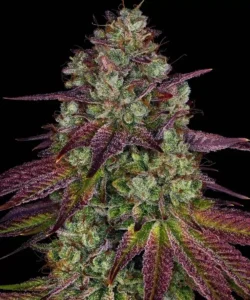
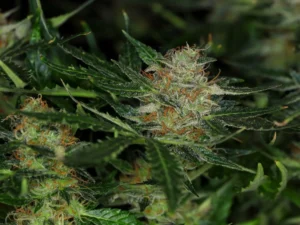
Mimosa Evo
|
|
THC | 30% - 31% (High) |
|
|
Lineage | Mimosa x Orange Punch |
|
|
Type | Feminized |
|
|
Height | 6.56 ft | 2 m |
|
|
Yield Outdoor | 70.55 oz/plant | 2000 g/plant |
|
|
Flowering Time | 9 - 10 weeks |
|
|
Phenotype | 60% Indica / 40% Sativa |
|
|
Effects | Happy, Uplifted, Relaxed |
|
|
Flavors | Fruity, Citrus, Orange |
The term is strongly associated with cannabis culture, although it can technically describe filling an enclosed space with smoke from other substances. Common references to hotboxing involve cars, small rooms, bathrooms, tents and other enclosed spaces.
Cambridge Dictionary defines hotboxing as filling a small room or space with smoke, particularly from a drug such as marijuana, so that people inside continue breathing the smoke. What defines it isn’t a particular cannabis strain or smoking method, but the enclosed environment and the smoke that builds up in it.
Hotboxing: Quick Explanation
| Question | Short answer |
|---|---|
| What is hotboxing? | Smoking cannabis in an enclosed, poorly ventilated space |
| Why do people do it? | Usually for the social experience or belief that it intensifies the high |
| Does the air contain THC? | Yes, secondhand cannabis smoke contains THC |
| Can nonsmokers feel effects? | Under extreme unventilated exposure, research says yes |
| Does ventilation matter? | Yes, a lot |
| Is the smoke harmless? | No |
| Is hotboxing a car different? | It creates additional driving and legal concerns |
Hotboxing is sometimes also called clambaking, though that term is less commonly used.
How Does Hotboxing Work?
When cannabis is smoked in an open or ventilated environment, exhaled and sidestream smoke gradually disperses. Inside a small enclosed space, that smoke can’t dissipate as quickly, so the concentration of cannabis smoke in the surrounding air increases.
People inside may be exposed two ways: through direct smoke, inhaled from the cannabis being smoked, and through secondhand smoke already present in the air. That doesn’t mean every breath inside a hotboxed room delivers the same amount of THC as directly inhaling cannabis. It does mean people keep being exposed between direct inhalations, and the effect grows as smoke increases and ventilation decreases.
Does Hotboxing Actually Get You Higher?
There’s evidence that extreme exposure to secondhand cannabis smoke can produce psychoactive effects, but that’s not quite the same as proving hotboxing reliably makes an active cannabis user significantly higher.
A Johns Hopkins University study examined nonsmokers exposed to cannabis smoke in a specially constructed chamber. Under extreme unventilated conditions, nonsmokers showed detectable cannabinoids in blood and urine, mild to moderate subjective drug effects, small increases in heart rate, and minor impairment on one cognitive/psychomotor task.
Researchers then repeated the exposure with ventilation, and the results were markedly different: blood cannabinoid levels were much lower, and researchers didn’t observe the same subjective drug effects, performance impairment or positive urine-screening results.
Ventilation has a major effect on secondhand cannabis exposure. The study shows a severe hotboxing-type environment can expose people to enough THC to produce measurable effects, but it doesn’t show that hotboxing is an efficient or predictable way for an active smoker to get substantially more intoxicated.
Can You Get High From Secondhand Weed Smoke?
Yes, but the circumstances matter a lot. The CDC confirms that secondhand cannabis smoke contains THC, the primary psychoactive compound in cannabis, and studies have shown nonsmokers can absorb measurable cannabinoids from surrounding smoke.
Ordinary incidental exposure and extreme hotboxing are still very different situations, though. Secondhand THC exposure depends on the amount of cannabis being smoked, its THC concentration, the size of the room, the number of smokers, time spent in the space, ventilation and distance from the smoke. Someone briefly smelling cannabis outdoors is having a very different experience than someone sitting for an hour in a smoke-filled, unventilated room.
Can Hotboxing Cause a Positive Drug Test?
Under sufficiently extreme conditions, it’s possible. In the Johns Hopkins research, nonsmokers were exposed to heavy cannabis smoke inside a sealed chamber, and researchers detected cannabis metabolites afterward. In one experiment, one nonsmoker produced a positive urine result at a commonly used 50 ng/mL screening threshold, and more samples tested positive at a lower 20 ng/mL threshold. Ventilation cut exposure substantially.
That doesn’t mean casually walking past cannabis smoke will normally cause someone to fail a drug test — the positive findings came from deliberately extreme secondhand-smoke conditions designed to test the limits of passive exposure.
Is Hotboxing Dangerous?
Hotboxing increases exposure to cannabis smoke because the smoke is deliberately allowed to build up in a confined space. The CDC states that secondhand cannabis smoke contains many of the same toxic and cancer-causing chemicals found in tobacco smoke, some at higher concentrations, plus fine particulate matter.
There are really two separate issues here: THC exposure, which can cause psychoactive effects and impairment, and smoke exposure, which involves inhaling combustion products regardless of whether they contain THC. Cannabis smoke isn’t harmless just because it comes from cannabis. Hotboxing can also make smoke irritation more noticeable, since people stay in an environment where the concentration keeps building.
Possible immediate effects include eye irritation, throat irritation, coughing, dizziness, headache, nausea, anxiety and increased intoxication. Anyone feeling unwell after cannabis exposure should move to fresh air and seek medical help if symptoms are severe.
Is Secondhand Cannabis Smoke Harmful?
The long-term health effects of secondhand cannabis smoke aren’t as well understood as those of tobacco smoke. That uncertainty isn’t evidence of safety, though. The CDC notes cannabis smoke contains many of the same harmful chemicals found in tobacco smoke.
Children may be particularly vulnerable, since secondhand cannabis smoke can expose them to both combustion products and THC. Cannabis smoke shouldn’t be deliberately concentrated around children, infants, pregnant people, people who haven’t consented to cannabis exposure, or people with respiratory or cardiovascular conditions. An enclosed space makes the exposure problem worse because contaminants can’t disperse normally.
Is Hotboxing a Car Safe?
A car is probably the setting most strongly associated with the term hotboxing, but vehicles bring their own problems. It’s a small enclosed space, so smoke concentrations build quickly. Cannabis can also impair reaction time, coordination, attention and judgment, and driving while impaired by it is dangerous and illegal in many jurisdictions.
A parked vehicle can present legal issues too, depending on state and local cannabis laws around possession, public consumption, smoking inside vehicles, open cannabis containers and impaired driving. Being parked doesn’t automatically make cannabis consumption inside a vehicle legal.
Does Hotboxing Reduce Oxygen?
Hotboxing is sometimes described online as making people feel more intoxicated because the enclosed space supposedly “runs out of oxygen.” That’s an oversimplification. The better-supported explanation is additional exposure to cannabis smoke and its components.
An enclosed room’s air quality can certainly get worse as smoke and combustion products build up, but ordinary hotboxing isn’t a controlled method of oxygen deprivation. Feeling dizzy or lightheaded in a heavily smoke-filled space is a reason to get fresh air, not a sign that hotboxing is “working.”
Why Does Ventilation Matter So Much?
Ventilation dilutes and removes airborne pollutants, which matters a lot for hotboxing since the practice is largely defined by a lack of it. The Johns Hopkins experiment showed this directly: under unventilated conditions, nonsmokers had measurable THC exposure and mild psychoactive effects; with about 11 air exchanges per hour, exposure dropped substantially and the same level of impairment wasn’t observed.
That’s one of the clearest variables separating extreme secondhand cannabis exposure from lower-level exposure. Still, ventilation reduces exposure — it doesn’t eliminate it, and indoor cannabis smoke isn’t harmless just because a room is ventilated.
Does Hotboxing Make Weed More Efficient?
There’s no strong evidence that hotboxing is an efficient way to “reuse” THC that would otherwise be wasted. Exhaled cannabis smoke can contain THC, which explains why secondhand exposure happens, but the concentration inhaled indirectly isn’t equivalent to what’s received through direct inhalation. Much of the smoke filling the room is combustion products rather than cannabinoids. Hotboxing is better understood as increasing exposure to secondhand cannabis smoke than as a way to recycle it with any predictable efficiency.
Hotboxing vs Normal Secondhand Smoke
All hotboxing involves secondhand smoke, but not all secondhand cannabis exposure is hotboxing. Someone standing near a cannabis smoker outdoors may inhale some secondhand smoke, but it’s rapidly diluted by the surrounding air. Hotboxing deliberately limits that dilution, so concentrations inside the enclosed space can get much higher. That’s also why research using sealed chambers shouldn’t be generalized to every everyday encounter with cannabis odor — exposure depends heavily on ventilation and smoke concentration.
What Is a Contact High?
A contact high refers to psychoactive effects experienced by someone who didn’t directly consume cannabis but was exposed to smoke from other people using it. Research shows contact highs are possible under extreme exposure: in the Johns Hopkins experiments, nonsmokers in a heavily smoke-filled, unventilated chamber reported mild psychoactive effects, effects that weren’t observed to the same degree once adequate ventilation was introduced. So a contact high is scientifically plausible, but a heavily hotboxed room and casually smelling marijuana outdoors aren’t comparable exposures.
Hotboxing and Smoke Alarms
Cannabis smoke contains airborne particles that can interact with smoke-detection systems. Whether a particular detector activates depends on the detector’s technology, smoke concentration, distance from the detector, air circulation and building design.
A smoke alarm should never be disabled or covered to prevent activation — smoke detectors are life-safety equipment. If cannabis smoke is heavy enough to trigger one, the answer isn’t to interfere with the alarm.
What Is Hotboxing? Key Takeaway
Hotboxing means smoking cannabis in a confined, poorly ventilated environment so the smoke accumulates in the surrounding air. It’s primarily a cannabis-culture term rather than a special consumption method.
Research confirms that extreme secondhand cannabis exposure in an unventilated room can lead to measurable THC absorption and mild psychoactive effects, even among nonsmokers, and ventilation dramatically cuts that exposure. At the same time, hotboxing increases exposure to combustion products — secondhand cannabis smoke contains THC as well as many of the toxic chemicals found in tobacco smoke. It’s both a cultural practice and a form of concentrated secondhand-smoke exposure.
FAQs About Hotboxing
What is hotboxing?
Hotboxing means smoking cannabis in a small, enclosed or poorly ventilated space so the smoke remains trapped in the air. Cars, bathrooms and small rooms are common examples. People inside may inhale both directly smoked cannabis and secondhand smoke, which can increase overall exposure compared with being in a well-ventilated environment.
Does hotboxing get you higher?
Hotboxing can increase cannabis exposure under extreme, unventilated conditions. A Johns Hopkins study found that nonsmokers exposed to dense secondhand cannabis smoke in an unventilated chamber had detectable THC and mild drug effects. When the same room was ventilated, exposure and subjective effects were substantially lower.
Can you get high from secondhand weed smoke?
Yes. Secondhand cannabis smoke contains THC, and research shows that intense exposure in a poorly ventilated space can produce mild psychoactive effects in nonsmokers. The effect depends on factors such as the amount of smoke, THC concentration, room size, duration of exposure and how much ventilation is available.
Is hotboxing bad for you?
Hotboxing increases exposure to secondhand cannabis smoke. The CDC states that cannabis smoke contains many of the same toxic and cancer-causing chemicals found in tobacco smoke, sometimes in higher amounts. Enclosed spaces concentrate that smoke, so people inside may inhale more pollutants than they would in a ventilated setting.
What does hotboxing a car mean?
A car is commonly associated with hotboxing because it’s a small enclosed space, but it also creates additional legal and safety concerns. Cannabis laws and impaired-driving rules vary by location. A vehicle should never be driven by someone who is impaired, and secondhand smoke can also expose passengers who aren’t consuming cannabis.
Can hotboxing make you fail a drug test?
Yes, under extreme conditions. Studies of nonsmokers exposed to concentrated secondhand cannabis smoke found detectable cannabinoids in blood and urine, and one participant exceeded a commonly used urine-screening cutoff. Ventilation substantially reduced exposure. Ordinary incidental exposure is generally much less intense than the sealed-room conditions used in these experiments.