
Growing cannabis can be a rewarding experience, but it comes with its own set of challenges. Two common issues that both novice and experienced growers encounter are magnesium deficiency and chlorosis. While these conditions may seem similar at first glance, they have distinct characteristics and require different management strategies. In this guide, we’ll delve into the differences between magnesium deficiency vs chlorosis in cannabis, helping you to maintain healthy, thriving plants.
Magnesium deficiency in cannabis plants often presents itself through yellowing leaves, particularly affecting the older foliage first. This is because magnesium is a mobile nutrient, meaning the plant will move it from older leaves to new growth when necessary. On the other hand, chlorosis is a symptom where the leaves lose their green color due to a lack of chlorophyll. It’s crucial to identify whether your plant is suffering from magnesium deficiency or chlorosis to apply the correct treatment.
Recommended Strains
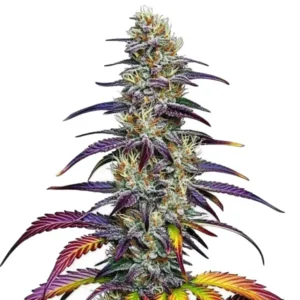
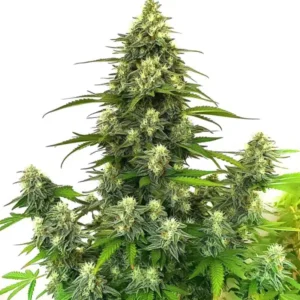
Blue Dream

|
THC | 17% - 24% (High) |

|
Lineage | Blueberry x Haze |

|
Type | Feminized |

|
Height | 6.56 ft | 2 m |

|
Yield | High |

|
Yield Indoor | 1.97 oz/ft² | 600 g/m² |

|
Yield Outdoor | 17.64 - 24.69 oz/plant | 500 - 700 g/plant |

|
Flowering Time | 8 - 10 weeks |

|
Phenotype | 50% Indica / 50% Sativa |

|
Medical | Fatigue, Muscle Spasms, Stress |

|
Effects | Happy, Relaxed, Talkative |

|
Flavors | Berry, Blueberry, Mango, Sweet |
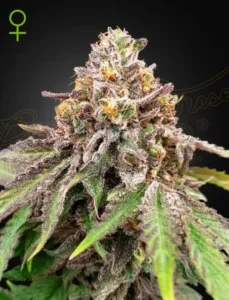
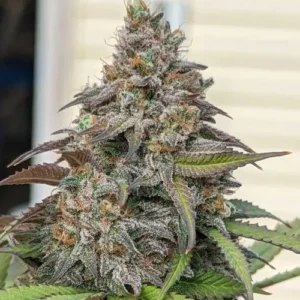
Blue Haze X Gelato 41 Auto
|
|
THC | 21% - 22% (Medium) |
|
|
Lineage | Blue Haze x Gelato 41 Auto |
|
|
Type | Autoflowering |
|
|
Height | 3.94 ft | 1.2 m |
|
|
Yield Outdoor | 3.53 oz/plant | 100 g/plant |
|
|
Life Cycle | 10 - 11 weeks |
|
|
Phenotype | 60% Indica / 40% Sativa |
|
|
Effects | Giggly, Creative, Relaxed |
|
|
Flavors | Lime, Cheese |
Let’s dive deeper into the signs, causes, and effects of magnesium deficiency and chlorosis in cannabis plants. We’ll also cover how specific strains like Blue Dream, Blue Haze X Gelato 41 Auto, and Gorilla Glue #4 Auto from Growlantis can be impacted by these conditions and how they can be cultivated successfully despite these challenges.
Identifying Magnesium Deficiency in Cannabis
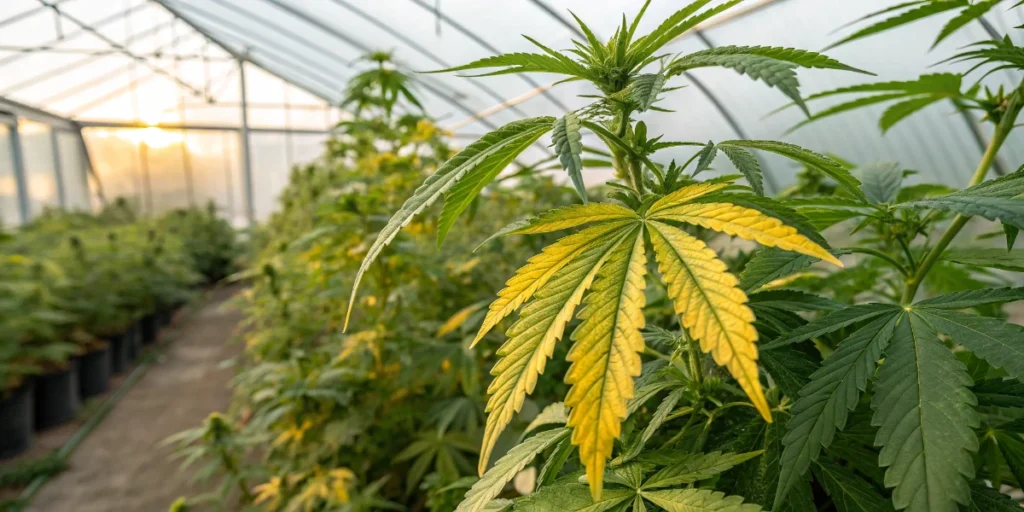
Magnesium deficiency in cannabis is one of the most common nutrient problems growers face. It typically manifests in the older leaves first, showing signs of yellowing between the veins while the veins themselves remain green. This is known as interveinal chlorosis.
Magnesium deficiency signs in cannabis plants can sometimes be confused with other nutrient issues, such as nitrogen deficiency. However, paying close attention to the specific pattern of yellowing can help differentiate between them. Ensuring proper magnesium levels is vital for strains like Blue Dream, which can quickly exhibit signs of deficiency due to their rapid growth rates. Regularly testing soil and using a balanced nutrient solution can prevent these issues from escalating, allowing for a more robust plant development.
Magnesium Deficiency Signs in Cannabis Plants
A telltale sign of magnesium deficiency is the discoloration of older leaves. If your cannabis plant is showing yellowing between the veins while the veins stay dark green, it’s likely experiencing magnesium deficiency. As the condition worsens, you might see brown spots forming on the affected leaves. If left untreated, this can lead to leaf drop and reduced photosynthesis, ultimately affecting the plant’s growth and yield.
Blue Dream, a strain known for its balanced effects and high THC levels typically ranging from 17% to 24%, may be particularly susceptible to magnesium deficiency due to its vigorous growth. Ensuring that your Blue Dream plants receive adequate magnesium is crucial for maintaining their lush, green appearance and maximizing yield.
Treating Magnesium Deficiency
The good news is that magnesium deficiency in cannabis can be treated relatively easily. Epsom salt is a common remedy, providing a quick magnesium boost to your plants. Dissolve one teaspoon of Epsom salt in a gallon of water and apply it to the soil or use it as a foliar spray. This should help rectify the deficiency and improve the plant’s health.
It’s also essential to check the pH levels of your soil or nutrient solution. Magnesium is best absorbed by cannabis plants in a pH range of 6.0 to 7.0. Adjusting the pH to this range can enhance nutrient uptake and prevent further deficiencies.
Recognizing Chlorosis in Cannabis Leaves
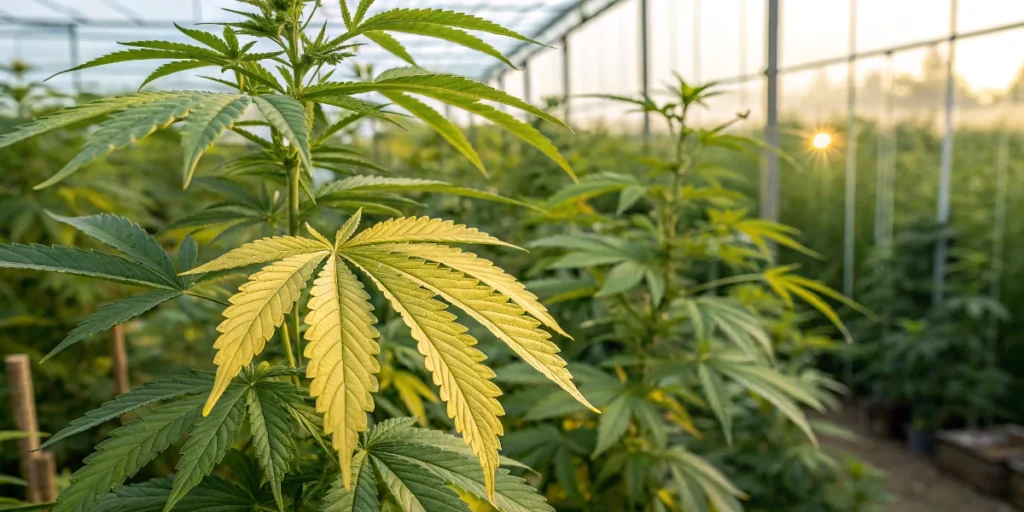
Chlorosis is a condition that can affect cannabis plants, leading to yellowing leaves due to insufficient chlorophyll production. Unlike magnesium deficiency, chlorosis can affect both new and old leaves and is often linked to environmental factors or nutrient imbalances.
Chlorosis symptoms in cannabis leaves can sometimes be mistaken for general stress responses. However, identifying the environmental and nutritional needs of your plants can help pinpoint the exact cause. For example, Blue Haze X Gelato 41 Auto, due to its unique characteristics and genetic makeup, might need specific light and nutrient adjustments to prevent chlorosis. Regularly assessing soil drainage and light exposure can also help in maintaining optimal plant health.
Chlorosis Symptoms in Cannabis Leaves
Chlorosis typically presents as a uniform yellowing of the leaves, which can affect both the older and younger foliage. It’s essential to determine the cause of chlorosis to treat it effectively. Potential causes include inadequate light, poor drainage, or nutrient deficiencies other than magnesium.
For instance, Blue Haze X Gelato 41 Auto is an auto-flowering strain from Growlantis known for its unique flavor and aroma. This strain may require specific attention to light conditions and nutrient balance to prevent chlorosis and ensure optimal growth. Regular monitoring of your plants and environmental conditions can help you catch chlorosis early.
Managing Chlorosis
Addressing chlorosis involves identifying and rectifying the underlying issue. Improving drainage, ensuring adequate light exposure, and maintaining a balanced nutrient regimen are crucial steps. If chlorosis is due to nutrient imbalances, consider adjusting your feeding schedule to provide a balanced range of nutrients.
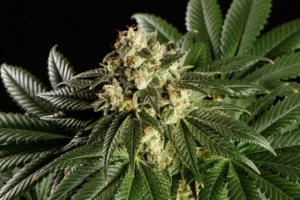
For Gorilla Glue #4 Auto, a strain prized for its potency and sticky resin production, maintaining robust plant health is vital. Ensuring that this strain receives balanced nutrients and proper care will help prevent chlorosis and promote lush, green foliage.
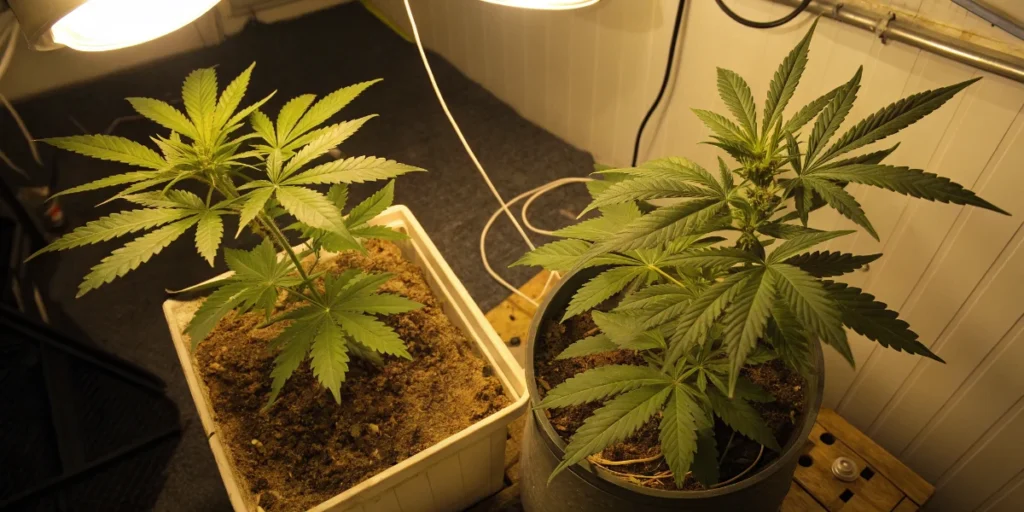
Differences Between Magnesium Deficiency and Chlorosis in Cannabis
While both magnesium deficiency and chlorosis involve leaf yellowing, the underlying causes and treatments differ significantly. Recognizing these differences can help growers address the specific needs of their cannabis plants more effectively.
Differences between magnesium deficiency and chlorosis in cannabis are crucial for growers aiming to optimize their cultivation practices. Magnesium deficiency often requires targeted nutrient adjustments, while chlorosis might necessitate broader environmental changes. For strains like Gorilla Glue #4 Auto, careful monitoring and adjustments based on observed symptoms can lead to more successful growth outcomes. Being proactive in identifying these conditions ensures that plants remain healthy and productive.
Key Differences in Symptoms
Magnesium deficiency typically presents as interveinal chlorosis, affecting the older leaves first. In contrast, chlorosis can affect both new and old leaves and appears as a uniform yellowing. Identifying the pattern and location of the yellowing can help diagnose the issue accurately.
Strains like Blue Dream, with its high THC content and potential for large yields, may exhibit magnesium deficiency due to their vigorous growth patterns. On the other hand, strains like Blue Haze X Gelato 41 Auto may experience chlorosis if environmental conditions such as light and drainage are not optimized.
Treatment Approaches
Treating magnesium deficiency involves providing additional magnesium, often through Epsom salts or magnesium supplements. Adjusting pH levels is also crucial to improve nutrient absorption. In contrast, treating chlorosis requires identifying the root cause, whether it’s environmental or nutrient-related, and taking corrective action.
Gorilla Glue #4 Auto, known for its resilience and impressive resin production, may require specific attention to ensure balanced nutrition and prevent both magnesium deficiency and chlorosis. Providing a stable growing environment and addressing any issues promptly will help this strain thrive.
Preventing Magnesium Deficiency and Chlorosis in Cannabis
Prevention is always better than cure, and this holds true for magnesium deficiency and chlorosis in cannabis. Implementing preventive measures can save you time and effort, ensuring your plants remain healthy and productive.
To prevent magnesium deficiency vs chlorosis in cannabis, it’s essential to take a holistic approach to plant care. Regular soil tests and nutrient solution assessments can preemptively identify potential issues before they become problematic. For strains from Growlantis like Blue Dream and Gorilla Glue #4 Auto, consistent monitoring and adjustments to environmental conditions and nutrient regimens are key. This proactive strategy not only enhances plant health but also maximizes yield and potency.
Optimal Nutrient Management
Maintaining a balanced nutrient regimen is key to preventing deficiencies and chlorosis. Regularly testing your soil or nutrient solution can help ensure that your plants are receiving adequate nutrients. Incorporating magnesium-rich supplements can help prevent deficiency, while a complete nutrient mix can address potential causes of chlorosis.
When growing strains like Blue Dream, it’s vital to monitor nutrient levels closely to support their robust growth and maximize yield. Providing consistent nutrition will help prevent issues and promote healthy plant development.
Environmental Considerations
Environmental factors such as light, temperature, and humidity can significantly impact plant health. Ensuring that your growing environment is optimized for cannabis cultivation can prevent stress-related issues such as chlorosis.
For auto-flowering strains like Blue Haze X Gelato 41 Auto and Gorilla Glue #4 Auto, providing adequate light and maintaining stable conditions is crucial. These strains are often favored for their ease of growth and resilience, making them ideal for growers looking to minimize issues like chlorosis.
FAQ: Magnesium Deficiency vs Chlorosis in Cannabis
What is the main difference between magnesium deficiency and chlorosis in cannabis?
Magnesium deficiency specifically results in interveinal chlorosis, where the spaces between the veins of older leaves turn yellow. Chlorosis, on the other hand, is a broader term for yellowing leaves due to insufficient chlorophyll, which can affect both new and old leaves. The causes of chlorosis can vary widely, including nutrient imbalances and environmental stress.
How can I prevent magnesium deficiency in my cannabis plants?
To prevent magnesium deficiency, ensure your plants have access to sufficient magnesium through balanced nutrient solutions or supplements like Epsom salts. Regularly monitor and adjust the pH levels of your growing medium, as magnesium is best absorbed at a pH of 6.0 to 7.0. Paying close attention to nutrient levels is especially important for strains like Blue Dream, known for their vigorous growth.
What steps should I take if I notice chlorosis in my cannabis plants?
If you notice chlorosis, first assess and optimize your growing conditions, including light, drainage, and nutrient balance. Chlorosis can be a sign of various issues, so identifying the root cause is crucial. Adjusting your feeding schedule and ensuring your plants receive all necessary nutrients can help correct the problem, especially for strains like Blue Haze X Gelato 41 Auto.
Can magnesium deficiency and chlorosis occur simultaneously in cannabis plants?
Yes, it’s possible for cannabis plants to experience both magnesium deficiency and chlorosis simultaneously, as they can be caused by different factors. It’s important to carefully observe the symptoms and identify the underlying issues to apply the appropriate treatments. For strains like Gorilla Glue #4 Auto, maintaining a stable environment and balanced nutrition is key to preventing both conditions.
Are some cannabis strains more resistant to magnesium deficiency and chlorosis?
Some cannabis strains, such as auto-flowering varieties like Blue Haze X Gelato 41 Auto and Gorilla Glue #4 Auto, are known for their resilience and ease of growth, making them potentially more resistant to issues like magnesium deficiency and chlorosis. However, all strains can benefit from proper care and attention to growing conditions to prevent these problems.