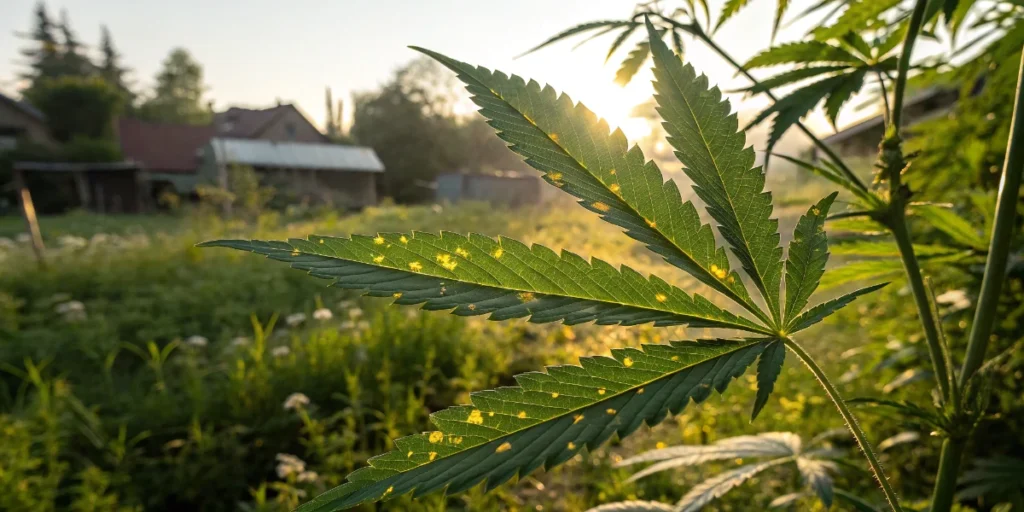

Overwatering is a common issue that many cannabis growers face, potentially leading to leaf chlorosis. This condition, where leaves turn yellow, can be a major problem for both novice and experienced cultivators. Chlorosis due to excessive watering in weeds is a direct result of the plant roots being suffocated by too much water, which in turn prevents the absorption of essential nutrients. Let’s delve into how this happens and what you can do to prevent it.
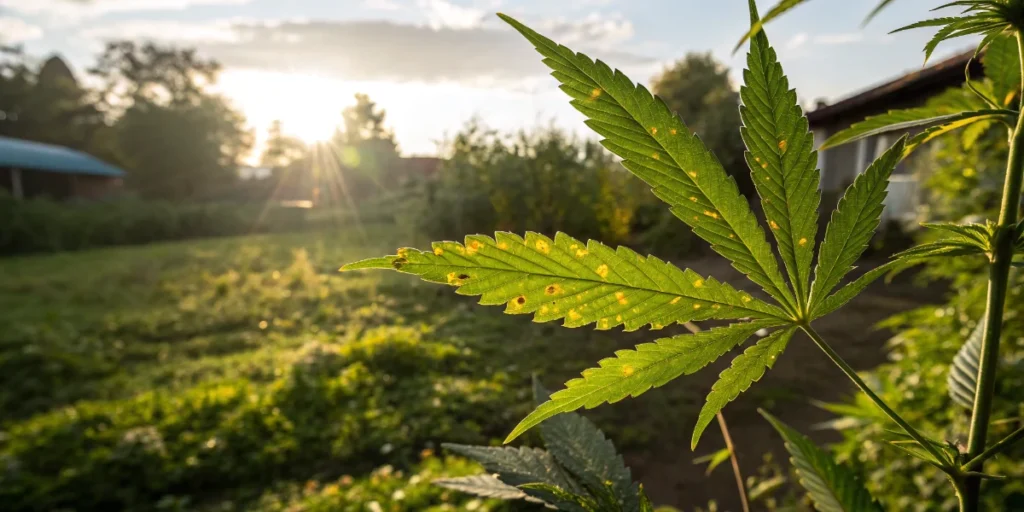
One clear sign of overwatering in weed plants is the yellowing of leaves, which can often be mistaken for a nutrient deficiency. When roots are submerged in water for too long, they cannot access oxygen, leading to stress and subsequently causing chlorosis. Recognizing these signs early is crucial for the health of your cannabis plants, including popular strains like Bruce Banner 3, Northern Lights Auto, and Gorilla Glue 4.
Recommended Strains
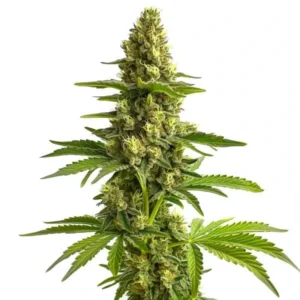
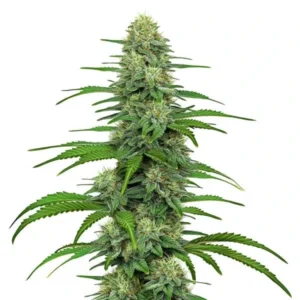
Bruce Banner 3

|
THC | 20% - 29% (High) |

|
Lineage | OG Kush x Strawberry Diesel |

|
Type | Feminized |

|
Height | 6.56 ft | 2 m |

|
Yield | High |

|
Yield Indoor | 1.31 - 1.64 oz/ft² | 400 - 500 g/m² |

|
Yield Outdoor | 17.64 - 26.46 oz/plant | 500 - 750 g/plant |

|
Flowering Time | 8 - 10 weeks |

|
Phenotype | 50% Indica / 50% Sativa |

|
Medical | Arthritis, Insomnia, Pain |

|
Effects | Happy, Relaxed, Talkative |

|
Flavors | Earthy, Fruity, Sweet |
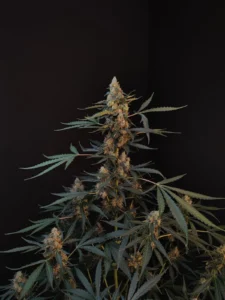
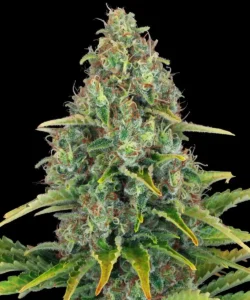
Northern Lights Auto
|
|
THC | 21% - 22% (Medium) |
|
|
Lineage | Northern Lights x Ruderalis |
|
|
Type | Autoflowering |
|
|
Height | 3.28 ft | 1 m |
|
|
Yield | High |
|
|
Yield Indoor | 1.64 - 1.97 oz/ft² | 500 - 600 g/m² |
|
|
Life Cycle | 9 weeks |
|
|
Phenotype | 70% Indica / 30% Sativa |
|
|
Effects | Sedative, Powerful, Relaxed |
|
|
Flavors | Fruity, Spicy, Pepper |
Bruce Banner 3, known for its high THC levels and impressive yields, can be particularly sensitive to overwatering. Like many cannabis strains, it thrives in a well-aerated soil environment. Allowing the soil to dry out between waterings ensures that the roots can breathe, which is vital for preventing chlorosis in overwatered weeds. The same principles apply to Northern Lights Auto, a strain celebrated for its ease of growth and rapid flowering time, making it ideal for both beginners and seasoned growers. Ensuring proper watering practices is key to maintaining the lush green foliage that these strains are known for.
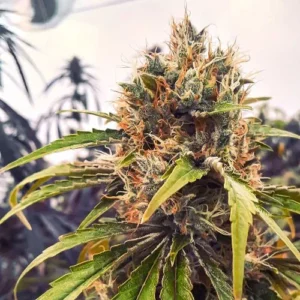
Another strain, Gorilla Glue 4, known for its potent effects and sticky resin, can also suffer from chlorosis if overwatered. Implementing a watering schedule that allows for sufficient drying time is crucial. Monitoring the moisture level of the soil and adjusting your watering habits accordingly can help prevent the detrimental effects of overwatering.
Identifying the Causes of Leaf Yellowing in Weeds
Leaf yellowing or chlorosis in weed plants can occur due to several factors, with overwatering being a primary cause. When cannabis plants are overwatered, the excess water fills the air pockets in the soil, depriving the roots of oxygen. This leads to root suffocation and limits the plant’s ability to uptake nutrients, resulting in chlorosis.
Another possible cause of leaf yellowing in weeds is nutrient lockout, which can happen when the soil’s pH is unbalanced. Even if nutrients are present, an incorrect pH can prevent the plant from absorbing them effectively, mimicking the symptoms of overwatering effects on weed chlorosis. Regularly checking and adjusting the pH of your water and soil can help mitigate this issue.
Root diseases, often exacerbated by overwatering, can also contribute to leaf chlorosis. When the roots are constantly wet, they become more susceptible to pathogens such as root rot. These diseases further impair the plant’s nutrient absorption capabilities, leading to yellowing leaves.
Environmental stressors, such as fluctuating temperatures and humidity levels, can also cause leaf yellowing. While these are not directly related to overwatering, they can exacerbate the condition. Maintaining a stable growing environment is essential for healthy plants, especially for sensitive strains like Bruce Banner 3 and Northern Lights Auto.
It’s important to note that overwatering effects on weed chlorosis can be particularly severe if combined with poor soil drainage. For strains like Gorilla Glue 4, which require robust root systems for optimal growth, ensuring that the growing medium is not compacted is crucial. By using a soil mix that promotes both drainage and aeration, you can help prevent the causes of leaf yellowing in weeds and support healthier plant development.
Signs of Overwatering in Weed Plants
Recognizing the signs of overwatering early can prevent further damage to your cannabis plants. Apart from the obvious leaf yellowing, overwatered plants may exhibit wilting or drooping leaves, even though the soil is wet. This is a classic sign that the roots are unable to access the oxygen they need.
Another indicator is slow growth. Cannabis plants that are overwatered may grow sluggishly because the roots are too saturated to function properly. This lack of growth vigor is particularly detrimental to strains like Gorilla Glue 4, which are prized for their robust growth and high yields.
Fungal growth on the soil surface, such as mold or algae, can also be a sign of overwatering. These organisms thrive in moist environments and can further compromise the plant’s health by competing for nutrients and oxygen.
If you notice any of these symptoms, it’s important to take corrective actions immediately. Adjusting your watering schedule, improving soil drainage, and ensuring proper aeration can help revive overwatered cannabis plants.
Alongside these signs, soil compaction can also be an indicator of overwatering, particularly in heavy soils that do not drain well. For strains like Northern Lights Auto, which have a shorter flowering cycle, quickly addressing compacted soil by aerating or using additives like perlite can help mitigate overwatering effects on weed chlorosis. This approach will ensure that your plants receive the necessary oxygen and nutrients to thrive.
Preventing Chlorosis in Overwatered Weeds
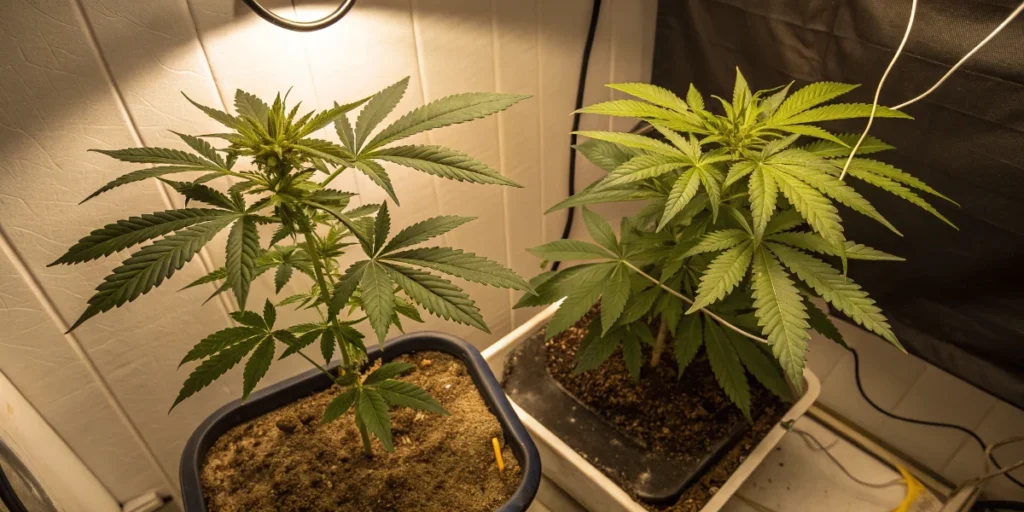
Prevention is always better than cure, and this is especially true when it comes to overwatering cannabis plants. Implementing a few simple strategies can help prevent chlorosis and keep your plants healthy.
First, pay attention to your soil mix. A well-draining soil mix, which includes perlite or coco coir, can help prevent water from accumulating around the roots. This is crucial for strains like Northern Lights Auto, which require consistent yet moderate moisture levels for optimal growth.
Second, establish a consistent watering schedule. Watering cannabis plants thoroughly but infrequently allows the soil to dry out between waterings, ensuring that the roots have access to the oxygen they need. This practice is particularly important for high-yielding strains like Bruce Banner 3.
Using the right size pots is also important. Smaller pots dry out faster, which can be beneficial for avoiding overwatering. However, for larger plants or strains like Gorilla Glue 4, which require more root space, ensure that the pots have adequate drainage holes to prevent waterlogging.
Another effective prevention strategy is to incorporate mulching techniques to regulate soil moisture. By covering the soil surface with organic materials, you can retain moisture without causing waterlogging, which helps in preventing chlorosis in overwatered weeds. This method can be particularly useful for Bruce Banner 3, allowing for a more balanced water retention system that supports healthy plant growth.
Real-Life Tips for Managing Watering Practices
Experienced growers often develop their own techniques for managing watering practices to prevent overwatering and subsequent chlorosis. Here are some practical tips that can make a difference in your cannabis cultivation efforts.
Consider lifting the pots to gauge the soil moisture. A light pot indicates that the soil is dry and ready for watering, whereas a heavy pot suggests the soil is still moist. This simple method can help you avoid the pitfalls of overwatering effects on weed chlorosis.
Monitoring the environment is also key. By keeping track of temperature and humidity levels, you can better understand how these factors influence the plant’s water needs. Strains like Bruce Banner 3 and Northern Lights Auto may require adjustments to watering frequency based on environmental conditions.
Lastly, observe your plants closely. They will often show signs of distress before the problem becomes severe. Catching these signs early, such as leaf curling or discoloration, can help you adjust your practices and prevent further issues.
Moreover, using tools like moisture meters can offer a more precise indication of when to water your plants. For strains like Gorilla Glue 4, which may require careful attention due to their high growth potential, employing these tools can ensure that you provide just the right amount of water to prevent overwatering while maximizing the plant’s yield potential. By integrating these real-life tips, you can maintain healthy and thriving cannabis plants.
Frequently Asked Questions
What are the primary signs of overwatering in cannabis plants?
Primary signs of overwatering include yellowing leaves, wilting, and slow growth. The soil may also appear consistently wet, and there might be fungal growth on the surface. These symptoms indicate that the roots are not getting enough oxygen, leading to stress and nutrient uptake issues.
Monitoring these signs can help growers take corrective action before the plant’s health is severely compromised. Adjusting watering practices and ensuring proper soil drainage are effective measures to counteract overwatering.
How can I prevent overwatering when growing Bruce Banner 3?
To prevent overwatering Bruce Banner 3, ensure the soil is well-draining and allow it to dry out between waterings. This strain thrives in a balanced moisture environment, so utilizing pots with good drainage and sticking to a consistent watering schedule is crucial.
Additionally, lift the pots to check their weight, which can help you determine when the plants need watering. This hands-on approach can prevent overwatering and promote healthy growth.
Why does overwatering cause leaf chlorosis in weed?
Overwatering causes leaf chlorosis because excess water fills the soil’s air pockets, depriving roots of oxygen. Without oxygen, roots cannot properly absorb essential nutrients, leading to the yellowing of leaves. This nutrient deficiency manifests as chlorosis, which can severely impact plant health if not addressed.
Recognizing this process emphasizes the importance of proper watering techniques to maintain healthy cannabis plants, ensuring they have the oxygen and nutrients needed for robust growth.
Can Northern Lights Auto be affected by overwatering?
Yes, Northern Lights Auto can be affected by overwatering, just like any other strain. This auto-flowering strain is known for its ease of cultivation, but consistent overwatering can lead to root rot and nutrient deficiencies, which are detrimental to its growth.
Implementing a watering routine that allows the soil to dry out between sessions can help maintain the plant’s health and ensure a successful harvest with this strain.