
Leaf chlorosis is a common issue many cannabis growers face, characterized by yellowing leaves that can impact plant health and yield. Ensuring optimal watering practices is essential in preventing this condition. From choosing the right irrigation methods to grasping soil moisture management, these practices help maintain your plants’ lush green appearance.
Yellowing leaves have many causes, so accurate diagnosis matters before you reach for a fix. Our related guides on is Chlorosis Reversible in Cannabis Plants and best Nutrients to Treat Chlorosis in Cannabis walk through the most common triggers, how to tell them apart and the watering, feeding and genetic factors that decide whether chlorosis sets in or clears up.
Recommended Strains
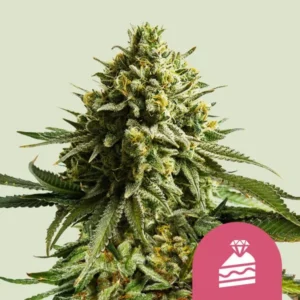
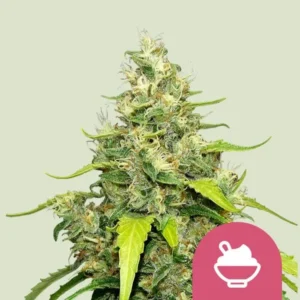
Wedding Cake

|
THC | 19% - 20% (Medium) |

|
Lineage | Girl Scout Cookies x Cherry Pie |

|
Type | Feminized |

|
Height | 3.94 ft | 1.2 m |

|
Yield | High |

|
Yield Indoor | 1.47 - 1.64 oz/ft² | 450 - 500 g/m² |

|
Yield Outdoor | 19.4 - 21.16 oz/plant | 550 - 600 g/plant |

|
Flowering Time | 8 - 10 weeks |

|
Phenotype | 80% Indica / 20% Sativa |

|
Effects | Giggly, Relaxed |

|
Flavors | Cookie, Earthy, Fruity |
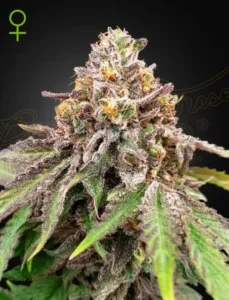
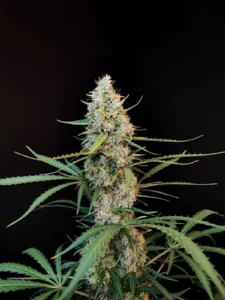
Blue Haze X Gelato 41 Auto
|
|
THC | 21% - 22% (Medium) |
|
|
Lineage | Blue Haze x Gelato 41 Auto |
|
|
Type | Autoflowering |
|
|
Height | 3.94 ft | 1.2 m |
|
|
Yield Outdoor | 3.53 oz/plant | 100 g/plant |
|
|
Life Cycle | 10 - 11 weeks |
|
|
Phenotype | 60% Indica / 40% Sativa |
|
|
Effects | Giggly, Creative, Relaxed |
|
|
Flavors | Lime, Cheese |
One popular strain, Wedding Cake from Growlantis, is known for its resilience, but even robust plants need proper care. This strain, with its balanced THC/CBD levels and moderate growing difficulty, thrives when given appropriate attention to watering schedules to prevent leaf yellowing. Let’s delve into the best watering practices to avoid leaf chlorosis and keep strains like Wedding Cake at their best.
Blue Haze X Gelato 41 Auto is another excellent choice for growers, offering a quick flowering time and a rich terpene profile. To ensure its vibrant growth, knowing how to water plants to avoid chlorosis is crucial. Proper techniques help maintain the plant’s health and maximize its potential yield.
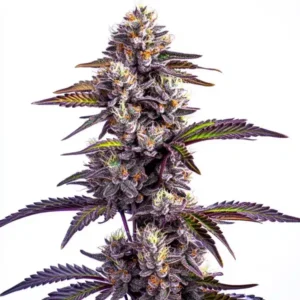
Blue Gelato is a strain known for its high yield and dense buds. Effective watering tips to stop leaf chlorosis are vital for this strain, ensuring it reaches its full potential. By grasping the nuances of soil moisture management, you can cultivate healthy, thriving Blue Gelato plants.
Grasping Soil Moisture Management
Soil moisture management is a critical component of the best irrigation methods for preventing leaf chlorosis. Proper management ensures that plants receive the right amount of water without becoming waterlogged or too dry. This balance is vital for maintaining plant health and preventing chlorosis.
Implementing soil moisture management to prevent chlorosis involves regular checks of the soil’s condition and adjusting practices based on observations. It’s beneficial to establish a routine where soil moisture levels are checked at consistent intervals. This proactive approach allows for timely adjustments in watering, thus avoiding the extremes of drought and oversaturation. For growers of Blue Haze X Gelato 41 Auto, where precise moisture levels are paramount, this strategy can significantly enhance plant health and yield. Overall, knowing and applying these best watering practices to avoid leaf chlorosis can lead to healthier and more productive cannabis plants.
Importance of Soil Type
The type of soil you use can significantly influence watering practices. Sandy soils, for example, drain quickly and may require more frequent watering to prevent plants from drying out. In contrast, clay soils retain water longer, necessitating less frequent irrigation. Knowing your soil type helps in crafting an effective watering schedule to prevent leaf yellowing.
Blue Gelato, with its robust growth, benefits from well-draining soil that prevents root rot and chlorosis. This strain thrives when soil moisture is managed carefully, ensuring its high yield and dense buds remain healthy.
Monitoring Soil Moisture Levels
To maintain optimal moisture levels, regularly check the soil by sticking your finger an inch into the ground. If it feels dry, it’s time to water. For more precision, consider using soil moisture sensors that provide real-time data on soil conditions. This technology can help tailor watering schedules to prevent leaf yellowing effectively.
For strains like Blue Haze X Gelato 41 Auto, which benefits from precise watering, monitoring tools ensure the plants get the right amount of moisture during their quick flowering phase.
Adjusting Watering Based on Climate
Climate plays a significant role in how often and how much you should water your cannabis plants. In hot, dry conditions, more frequent watering might be necessary. Conversely, in humid or rainy climates, reduce watering to avoid over-saturation.
Wedding Cake, known for its adaptability, still requires adjustments based on climate conditions to avoid chlorosis. By tweaking your watering schedule, you can maintain the plant’s health and maximize its growth potential.
Choosing the Right Irrigation System
Selecting the best irrigation methods for preventing leaf chlorosis is crucial in maintaining optimal plant health. From traditional hand-watering to advanced drip systems, each method has its benefits and drawbacks.
Choosing the right irrigation system involves considering the specific needs of each strain and the growing environment. Drip irrigation, for example, is well-suited for Wedding Cake due to its precision and efficiency in water delivery. In contrast, the Blue Gelato might benefit from a mix of drip and hand-watering, allowing for tailored care that accommodates its dense growth. By analyzing different systems and knowing their impact on soil moisture management, you can effectively implement the best watering practices to avoid leaf chlorosis, ensuring vibrant and healthy cannabis plants.
Drip Irrigation Systems
Drip irrigation is a highly efficient way to water plants, delivering moisture directly to the roots. This method reduces water wastage and ensures even distribution, crucial for preventing chlorosis. It’s particularly beneficial for strains like Blue Haze X Gelato 41 Auto that require precise watering.
By using a drip system, growers can maintain consistent soil moisture, which is vital for healthy plant growth and preventing leaf yellowing. This system is especially effective in large-scale operations or where water conservation is a priority.
Hand-Watering Techniques
Hand-watering is a traditional method that offers growers full control over water application. This technique allows you to closely monitor plant needs and adjust watering practices accordingly. While more labor-intensive, it provides the flexibility to cater to individual plant requirements.
For strains like Wedding Cake, which may have varying water needs, hand-watering allows for tailored care, ensuring the prevention of chlorosis and promoting robust growth.
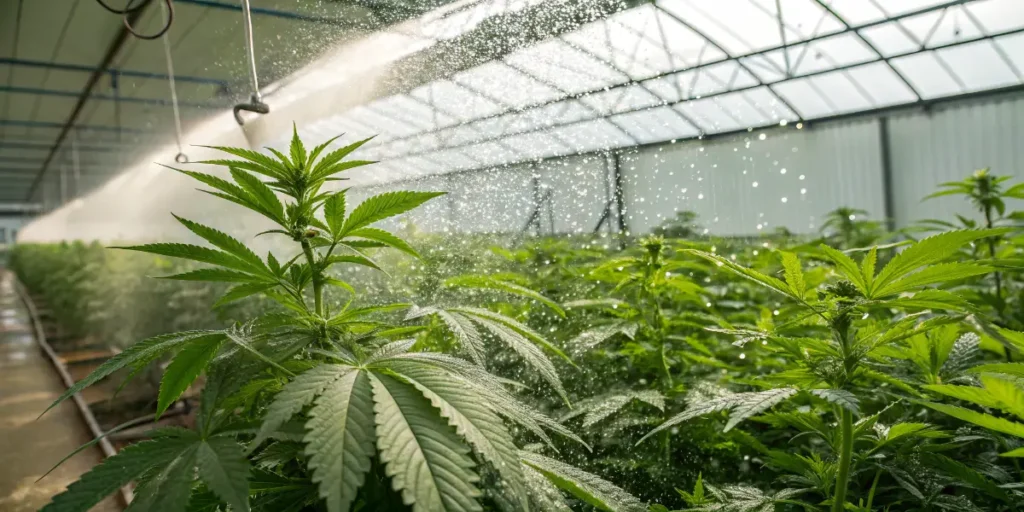
Automated Sprinkler Systems
Automated sprinkler systems offer convenience and consistency in watering schedules. These systems can be set to water plants at specific times, reducing the risk of human error. However, they may not provide the precision needed for strains sensitive to overwatering, like Blue Gelato.
When using sprinklers, ensure the system is properly calibrated to prevent over-saturation and potential leaf chlorosis. Adjustments may be necessary to suit specific strain requirements and environmental conditions.
Crafting a Watering Schedule
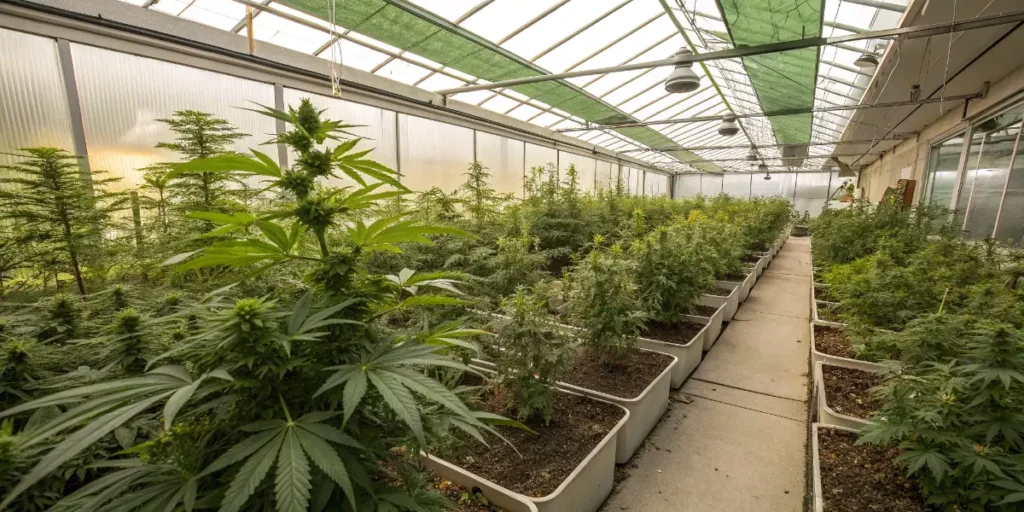
An effective watering schedule to prevent leaf yellowing is essential for maintaining healthy cannabis plants. A consistent routine helps prevent both under-watering and over-watering, which can lead to chlorosis.
Crafting a watering schedule requires a deep knowledge of the plant’s lifecycle and environmental conditions. For instance, Blue Haze X Gelato 41 Auto, with its quick flowering phase, might need more frequent watering during its peak growth periods. By aligning the schedule with the plant’s growth stages and environmental changes, growers can ensure optimal moisture levels are maintained. This strategic approach, part of the best watering practices to avoid leaf chlorosis, helps in sustaining plant vitality and achieving maximum yield potential.
Frequency and Timing
Watering frequency depends on several factors, including soil type, climate, and plant stage. During the vegetative stage, plants generally require more water. As they transition to flowering, the frequency might decrease. Timing is also crucial; watering early in the morning reduces evaporation and ensures optimal absorption.
For Blue Gelato, which thrives under consistent care, a tailored schedule helps maintain its high yield and quality. Adjust watering based on plant growth stages to optimize results.
Signs of Over-Watering and Under-Watering
Recognizing signs of over-watering and under-watering is vital in crafting an effective watering schedule. Over-watered plants often exhibit droopy leaves and poor root health, leading to chlorosis. Under-watered plants show signs of wilting and dry, brittle leaves.
By monitoring these signs, growers can adjust their watering practices to avoid leaf chlorosis, ensuring strains like Wedding Cake grow vigorously and healthily.
Adapting to Plant Needs
Each cannabis strain may have unique water requirements. Knowing and adapting to these needs is key to preventing chlorosis. Observing plant behavior and adjusting schedules accordingly ensures optimal health.
For Blue Haze X Gelato 41 Auto, adapting watering practices during its quick flowering time ensures the plant’s health and vibrant growth, maximizing its potential yield.
Common Mistakes and How to Avoid Them
Avoiding common watering mistakes is essential for maintaining healthy cannabis plants and preventing leaf chlorosis. Recognizing these pitfalls helps in crafting better watering strategies.
One of the most frequent mistakes is neglecting to adjust watering practices as plants grow and environmental conditions change. Each stage of plant development, from seedling to flowering, requires different moisture levels. For instance, Blue Gelato, known for dense bud production, can suffer from root issues if overwatered during its flowering stage. By continuously evaluating plant needs and environmental factors, growers can refine their approach, ensuring effective watering tips to stop leaf chlorosis are applied consistently across all stages of growth.
Over-Irrigation Pitfalls
Over-irrigation is a common mistake that leads to waterlogged soil and root rot, both of which can cause chlorosis. To avoid this, ensure your soil has good drainage and adjust watering frequency based on climate and soil type.
Strains like Blue Gelato, which produces dense buds, are particularly susceptible to over-irrigation. Implementing careful watering practices ensures the plant’s health and prevents leaf yellowing.
Ignoring Environmental Factors
Failing to consider environmental factors can lead to improper watering practices. Temperature, humidity, and light exposure all influence how much water your plants need. Ignoring these can result in over or under-watering.
For strains like Wedding Cake, being mindful of environmental changes and adjusting watering accordingly helps prevent chlorosis and supports healthy growth.
Neglecting Regular Monitoring
Regular monitoring of plant and soil conditions is crucial in preventing watering mistakes. Ignoring these can lead to inconsistent watering schedules, impacting plant health.
Blue Haze X Gelato 41 Auto benefits greatly from regular checks, ensuring its quick flowering period is supported by consistent moisture levels, preventing leaf chlorosis.
FAQ
What are the best watering practices to avoid leaf chlorosis?
Maintaining consistent soil moisture levels is crucial. Use well-draining soil, monitor moisture regularly, and adjust watering based on climate and plant needs. Consider using drip irrigation systems for precise watering, particularly for sensitive strains.
How can I tell if my cannabis plant is over-watered?
Signs of over-watering include droopy leaves, yellowing, and poor root health. Ensure your soil has good drainage and reduce watering frequency to prevent these symptoms and potential chlorosis.
Why is soil type important in preventing leaf chlorosis?
The soil type affects water retention and drainage. Sandy soils require more frequent watering, while clay soils need less. Knowing your soil type helps in crafting an effective watering schedule to prevent leaf yellowing.
How do I adjust watering for different cannabis strains?
Each strain has unique water needs. Observe plant behavior and adjust schedules accordingly. Strains like Blue Gelato need consistent moisture, while others may require tailored schedules based on growth stages and environmental conditions.
What role does climate play in watering schedules?
Climate influences how often and how much you should water. Hot, dry areas may require more frequent watering, while humid climates need less. Adjust your watering schedule based on environmental conditions to prevent leaf chlorosis.