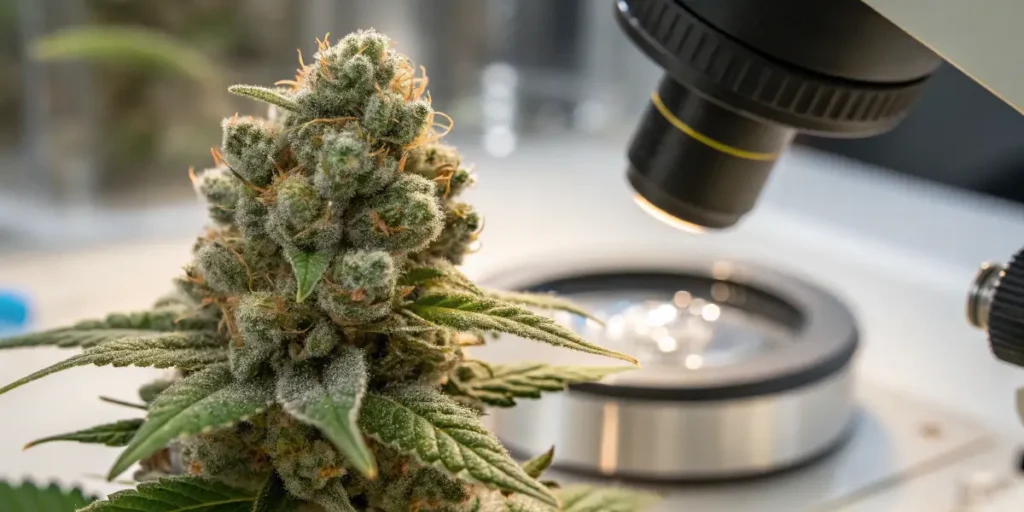

When cultivating cannabis, growers often seek indicators that reflect the health and vitality of their plants. Among these indicators, sugar levels stand out as a crucial factor. Sugars play a vital role in the growth and development of cannabis plants, as they are primary products of photosynthesis and serve as energy sources. Monitoring sugar concentration in cannabis plant health can provide insights into the overall vitality of the plant. This guide will examine how sugar levels reflect cannabis plant vitality and how you can leverage this knowledge to optimize your growing practices.
Photosynthesis is the process through which plants convert light energy into chemical energy in the form of sugars. These sugars are then transported throughout the plant to fuel growth, repair, and other essential functions. As such, sugar levels can serve as a direct indicator of the plant’s photosynthetic efficiency and, consequently, its vitality. By closely monitoring how sugar levels reflect cannabis plant vitality, growers can make informed decisions about their cultivation techniques.
Recommended Strains

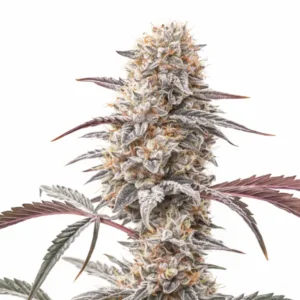
Auto Jack Herer

|
THC | 17% - 18% (Medium) |

|
Lineage | Jack Herer x Ruderalis |

|
Type | Autoflowering |

|
Height | 2.79 ft | 0.85 m |

|
Yield Outdoor | 7.05 oz/plant | 200 g/plant |

|
Life Cycle | 10 - 11 weeks |

|
Phenotype | 50% Indica / 50% Sativa |

|
Effects | Happy, Euphoric, Relaxed |

|
Flavors | Fruity, Skunk, Pine, Spicy |
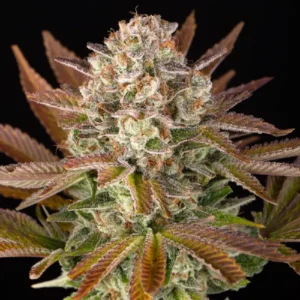
Royal Jack Auto
|
|
THC | 15% - 16% (Medium) |
|
|
Lineage | Jack Herer x Ruderalis |
|
|
Type | Autoflowering |
|
|
Height | 2.3 ft | 0.7 m |

|
Yield | Medium |

|
Yield Indoor | 1.15 - 1.31 oz/ft² | 350 - 400 g/m² |
|
|
Yield Outdoor | 2.47 - 4.23 oz/plant | 70 - 120 g/plant |
|
|
Life Cycle | 7 - 8 weeks |
|
|
Phenotype | 30% Indica / 40% Sativa / 30% Ruderalis |
|
|
Effects | Creative, Uplifted |
|
|
Flavors | Earthy, Herbal, Pepper |
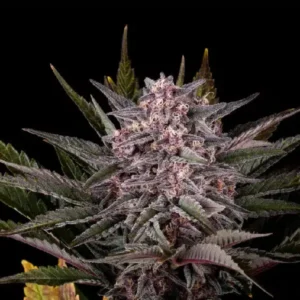
One of the strains offered by Growlantis, the Royal Runtz Auto, is known for its robust growth and high sugar production. This strain, with its balanced hybrid genetics, showcases how sugar levels can impact cannabis plant sugar levels impact vitality. The Royal Runtz Auto thrives in various environments and demonstrates a strong correlation between sugar levels and cannabis vitality, making it a favorite among growers seeking a reliable and resilient strain.
The Science Behind Sugar Levels in Cannabis
Sugar levels in cannabis plants are a direct result of photosynthesis, a complex process that converts light energy into sugars. During this process, carbon dioxide and water are transformed into glucose and oxygen in the presence of sunlight. The glucose is then used as an energy source for the plant or stored as starch for later use. High sugar levels often indicate a healthy, photosynthetically active plant, while low sugar levels may suggest issues with light exposure, nutrient availability, or environmental stress.
Alongside serving as an energy source, sugars play a pivotal role in regulating vital physiological processes such as osmosis and signal transduction in cannabis plants. This regulation directly influences the plant’s ability to adapt to environmental changes and stressors, showcasing how sugar levels reflect cannabis plant vitality. By recognizing and optimizing the factors that affect photosynthesis, growers can enhance the sugar concentration in cannabis plant health, ultimately leading to more vigorous and resilient plants. Incorporating insights about the correlation between sugar levels and cannabis vitality can be particularly beneficial for managing the growth cycles of strains like Auto Jack Herer, ensuring optimal performance and yield.
Photosynthesis and Sugar Production
In cannabis cultivation, recognizing the intricacies of photosynthesis is key to optimizing sugar levels. Cannabis plants require sufficient light, water, and carbon dioxide to maximize photosynthetic efficiency. When these elements are in balance, plants produce high levels of glucose, which are essential for robust growth and development. To ensure your plants are getting enough light, consider using high-quality grow lights or positioning plants to receive optimal natural sunlight.
Monitoring environmental factors such as temperature and humidity is equally important. These factors can influence the rate of photosynthesis and, consequently, sugar production. By maintaining ideal conditions, you can encourage your plants to produce ample sugars, thereby enhancing their vitality.
Role of Sugars in Plant Development
Sugars are not only an energy source but also act as signaling molecules that regulate plant growth and development. They play a crucial role in cell division, elongation, and differentiation, all of which are vital for healthy plant development. High sugar levels can stimulate growth and improve plant structure, leading to higher yields and better-quality buds.
For instance, Auto Jack Herer, another strain from Growlantis, exhibits remarkable growth due to its efficient sugar utilization. This strain, known for its rapid flowering time and substantial yield, benefits from well-balanced sugar levels. recognizing how sugar levels reflect cannabis plant vitality can help growers optimize conditions for strains like Auto Jack Herer, ensuring they reach their full potential.
Measuring Sugar Levels for Cannabis Vitality Assessment
To effectively use sugar levels as an indicator of cannabis plant health, accurate measurement is essential. Various methods can be employed to assess sugar levels, each offering different insights into plant vitality. By incorporating these measurements into your cultivation practices, you can make informed decisions that enhance the health and productivity of your cannabis plants.
Accurate measurement of sugar levels is crucial for recognizing the correlation between sugar levels and cannabis vitality. By regularly measuring sugar levels, growers can track changes over time and adjust their cultivation methods accordingly. This continuous monitoring allows for early detection of stressors or deficiencies that may impact plant health. Using tools like refractometers and Brix meters, growers can gain valuable insights into how sugar levels reflect cannabis plant vitality and implement measures to optimize conditions for strains like Cookies Gelato, where sugar concentration significantly enhances both THC content and terpene profiles, resulting in superior quality and yield.
Testing Sugar Levels
One common method for measuring sugar concentration in cannabis plant health is the use of a refractometer. This device measures the refractive index of plant sap, which correlates directly with sugar content. By regularly testing the sap from your cannabis plants, you can monitor sugar levels and make adjustments to your cultivation practices as needed.
Another approach is the use of Brix meters, which provide a simple and quick way to assess sugar levels. Brix meters measure the percentage of dissolved sugars in plant sap, offering a clear indication of plant health. By maintaining optimal Brix levels, you can ensure that your cannabis plants are thriving.
Interpreting Sugar Level Readings
Once you’ve measured sugar levels, interpreting the results is the next step. High sugar levels generally suggest that the plant is photosynthetically efficient, receiving adequate light, water, and nutrients. These plants are likely to exhibit vigorous growth, strong stems, and abundant flowering.
Conversely, low sugar levels may indicate underlying issues such as nutrient deficiencies, poor light conditions, or pest infestations. In such cases, it’s important to investigate and address these issues promptly to restore plant vitality. recognizing the correlation between sugar levels and cannabis vitality is crucial for achieving optimal results.
Practical Tips for Enhancing Sugar Levels in Cannabis Plants
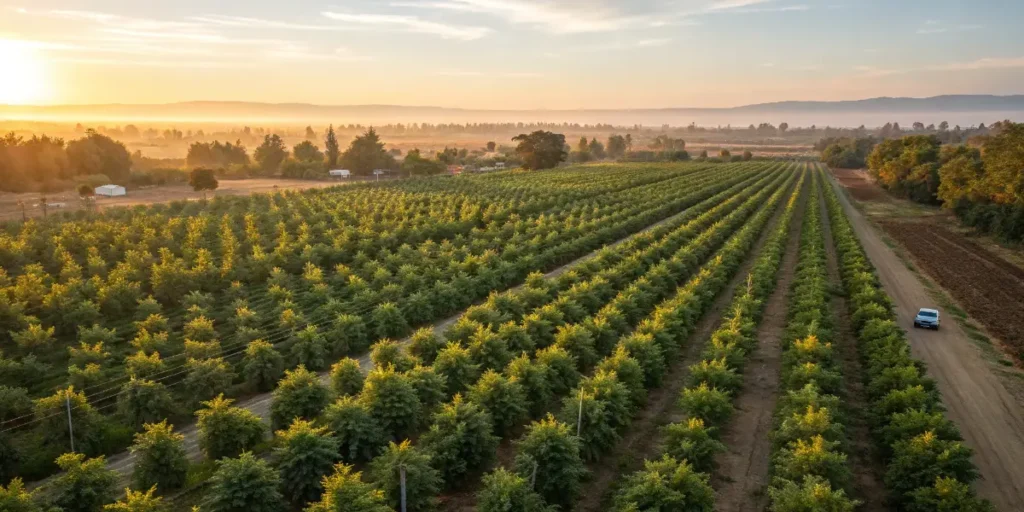
Improving sugar levels in your cannabis plants can lead to healthier, more productive crops. By implementing specific strategies, you can enhance the photosynthetic efficiency of your plants and, consequently, their vitality. Here are some actionable tips to help you achieve this goal:
To further enhance sugar levels, growers should consider implementing advanced techniques such as controlled environment agriculture (CEA), which allows for precise management of growth conditions. By regulating factors like CO2 concentration, light intensity, and temperature, cultivators can create an optimal environment that maximizes photosynthetic activity and sugar production. This approach can be particularly beneficial for high-value strains like Cookies Gelato, where maintaining high sugar levels is crucial for achieving the desired potency and flavor profile. recognizing how sugar levels reflect cannabis plant vitality and applying this knowledge through technological advancements can significantly improve the overall health and yield of the crop.
Optimizing Light Conditions
Light is a critical factor in photosynthesis, and ensuring your plants receive adequate illumination is key to boosting sugar levels. Consider using full-spectrum LED grow lights, which mimic natural sunlight and provide the necessary wavelengths for photosynthesis. Alternatively, position your plants to take full advantage of natural sunlight, ensuring they receive consistent light exposure throughout the day.
When growing strains like Cookies Gelato from Growlantis, optimizing light conditions is particularly important. This strain is known for its high THC content and rich terpene profile, both of which are enhanced by optimal sugar levels. By providing adequate light, you can maximize the potential of Cookies Gelato and other high-demand strains.
Ensuring Nutrient Balance
Nutrients play a vital role in plant health and can significantly impact sugar production. Ensure your cannabis plants receive a balanced supply of essential nutrients, including nitrogen, phosphorus, and potassium. These nutrients support critical processes such as photosynthesis, energy transfer, and cell division.
Regularly testing your soil or growing medium for nutrient levels can help you maintain the right balance. If deficiencies are detected, consider using organic fertilizers or amendments to replenish nutrients and enhance sugar levels, ultimately improving plant vitality.
Common Challenges and Solutions in Managing Sugar Levels
While maintaining optimal sugar levels can significantly enhance cannabis plant vitality, growers may encounter various challenges along the way. Identifying these challenges and implementing effective solutions is crucial for successful cultivation. Here are some common issues and strategies to overcome them:
One of the most significant challenges in managing sugar levels is dealing with unpredictable environmental factors that can affect photosynthesis. For instance, sudden weather changes or equipment malfunctions can lead to fluctuations in light, temperature, or humidity, impacting sugar production. Employing automation systems that monitor and adjust environmental conditions in real-time can help mitigate these risks. Additionally, recognizing how sugar levels reflect cannabis plant vitality can guide growers in responding quickly to any adverse changes, ensuring that strains like Royal Runtz Auto maintain their sugar concentration and overall health. By being proactive and adaptable, growers can overcome these challenges and sustain high vitality in their cannabis plants.
Pest and Disease Management
Pests and diseases can negatively impact sugar levels by disrupting photosynthetic processes and damaging plant tissues. Implementing integrated pest management (IPM) strategies can help protect your plants from such threats. Regularly inspect your plants for signs of pest activity or disease and take prompt action to address any issues.
Using natural pest control methods, such as introducing beneficial insects or applying organic insecticides, can help maintain plant health without harming the environment. By keeping pests and diseases at bay, you can ensure that your plants maintain optimal sugar levels and vitality.
Environmental Stress Mitigation
Environmental stressors such as extreme temperatures, humidity fluctuations, and drought can adversely affect sugar levels. To mitigate these stresses, create a stable growing environment by controlling temperature and humidity levels within the ideal range for cannabis cultivation.
Additionally, ensure consistent watering practices to prevent drought stress, which can hinder photosynthesis and reduce sugar production. By proactively managing environmental conditions, you can support your plants’ vitality and ensure they thrive.
FAQ
What is the significance of sugar levels in cannabis plants?
Sugar levels in cannabis plants are significant because they reflect the plant’s photosynthetic efficiency and overall health. High sugar levels indicate that the plant is thriving, with efficient energy production and utilization. This results in robust growth, strong stems, and abundant flowering, all of which contribute to the plant’s vitality.
Monitoring sugar levels can help growers identify and address potential issues such as nutrient deficiencies, poor light conditions, or pest infestations. By recognizing the importance of sugar levels, growers can optimize their cultivation practices and achieve better yields.
How can I measure sugar levels in my cannabis plants?
There are several methods for measuring sugar levels in cannabis plants, including using a refractometer or a Brix meter. A refractometer measures the refractive index of plant sap, which correlates with sugar content. A Brix meter, on the other hand, measures the percentage of dissolved sugars in plant sap.
Both tools provide valuable insights into plant health and can help growers monitor sugar levels effectively. By incorporating these measurements into your cultivation routine, you can make informed decisions to enhance plant vitality.
How do specific cannabis strains relate to sugar levels?
Different cannabis strains have varying growth characteristics and sugar production capabilities. For instance, Royal Runtz Auto is known for robust growth and high sugar production, while Auto Jack Herer benefits from efficient sugar utilization. Strains like Cookies Gelato thrive with optimal sugar levels, enhancing their THC content and terpene profile.
recognizing the sugar production capabilities of specific strains can help growers tailor their cultivation practices to maximize the potential of each plant. By optimizing conditions for sugar production, you can achieve better yields and higher-quality buds.
What factors influence sugar production in cannabis plants?
Sugar production in cannabis plants is influenced by factors such as light exposure, nutrient availability, and environmental conditions. Sufficient light is essential for photosynthesis, which is the process that produces sugars. Nutrients like nitrogen, phosphorus, and potassium support this process and contribute to energy transfer and cell division.
Environmental conditions, such as temperature and humidity, also play a role in sugar production. By maintaining ideal growing conditions and ensuring a balanced supply of nutrients, growers can enhance sugar levels and improve plant vitality.
What challenges might I face when managing sugar levels, and how can I overcome them?
Common challenges in managing sugar levels include pest infestations, diseases, and environmental stressors. Pests and diseases can disrupt photosynthesis and damage plant tissues, negatively impacting sugar production. Implementing integrated pest management strategies and using natural pest control methods can help protect your plants.
Environmental stressors, such as extreme temperatures and humidity fluctuations, can also affect sugar levels. Creating a stable growing environment by controlling temperature and humidity and ensuring consistent watering practices can help mitigate these stresses and support plant vitality.