
Environmental sensors for cannabis cultivation monitor temperature, relative humidity, CO2, light and other conditions that affect plant health and microbial risk. They do not detect or prevent every contaminant directly, but they can reveal unfavorable microclimates before problems become visible. Accurate sensor placement, calibration, trend monitoring and appropriate airflow are especially important during flowering.
Sensors tell you about the room, while plant-based measurements tell you about the plant itself, and you really want both. Combine your environmental data with Brix readings to fine-tune flushing and ripeness, and with leaf-sap testing to spot nutrient deficiencies early. Reading room and plant together is how you stop contamination and stress before they spread.
Recommended Strains
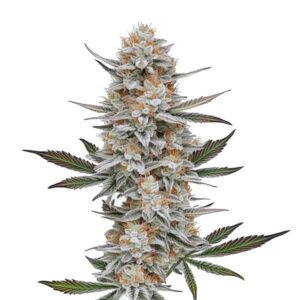
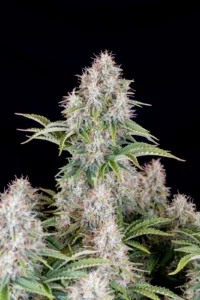
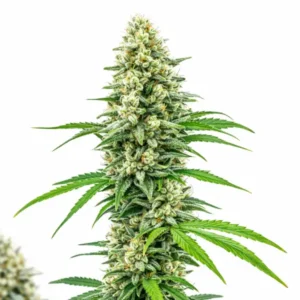
Chemdog #4

|
THC | 18% - 26% (High) |

|
Lineage | Chemdawg x Green Crack |

|
Type | Feminized |

|
Height | 4.92 ft | 1.5 m |

|
Yield | High |

|
Yield Indoor | 1.47 - 1.64 oz/ft² | 450 - 500 g/m² |

|
Yield Outdoor | 21.16 - 24.69 oz/plant | 600 - 700 g/plant |

|
Flowering Time | 7 - 9 weeks |

|
Phenotype | 60% Indica / 40% Sativa |

|
Medical | Arthritis, Insomnia, Pain |

|
Effects | Happy, Relaxed, Talkative |

|
Flavors | Citrus, Lemon |
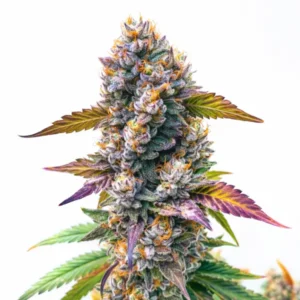
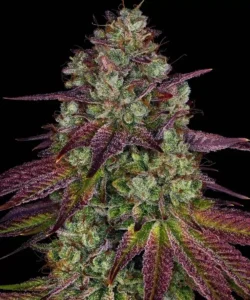
Gary Payton Strain
|
|
THC | 20% - 25% (High) |
|
|
Lineage | ( Cookies x Cherry Pie ) x Snowman x (Girl Scout Cookies) |
|
|
Type | Feminized |
|
|
Height | 4.92 ft | 1.5 m |
|
|
Yield | High |
|
|
Yield Indoor | 1.31 - 1.64 oz/ft² | 400 - 500 g/m² |
|
|
Flowering Time | 8 - 10 weeks |
|
|
Phenotype | 40% Indica / 60% Sativa |
|
|
Effects | Euphoric, Powerful, Relaxed |
|
|
Flavors | Citrus, Fruity, Sweet |
Why Environmental Sensors Matter in Cannabis Cultivation
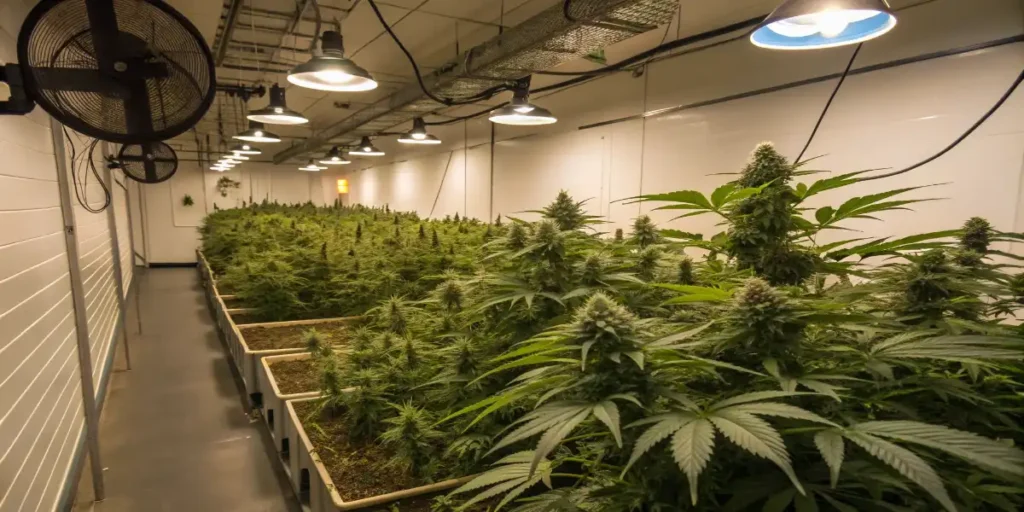
Indoor and greenhouse cannabis production depends heavily on environmental control. Temperature, moisture, air movement and light can change significantly across a grow room, and the conditions measured near a wall or HVAC return may not represent what flowers are actually experiencing inside a dense canopy.
That distinction becomes particularly important during flowering. A 2025 study of greenhouse cannabis found that relative humidity inside mature inflorescences was, on average, 15.4 percentage points higher than the surrounding greenhouse air, while temperatures inside the flowers averaged 2.5°C higher. Researchers measured RH as high as 87% inside inflorescences even when the surrounding greenhouse environment was considerably drier.
Environmental monitoring therefore does more than display a room temperature. A useful sensor network helps growers understand the actual microclimate surrounding plants and identify conditions associated with mold, bud rot and other production problems.
What Do Cannabis Environmental Sensors Measure?
A cannabis grow can use several types of environmental sensors, but not every facility needs every possible device.
| Sensor | What It Measures | Why It Matters |
|---|---|---|
| Temperature | Air temperature | Plant physiology, transpiration and disease conditions |
| Relative humidity | Moisture in the air | Mold risk and plant water balance |
| Temperature + RH | Inputs for VPD | Better context than RH alone |
| CO2 | Carbon dioxide concentration | Photosynthesis and ventilation management |
| Light/PPFD | Photosynthetically active light | Lighting consistency and plant exposure |
| Leaf temperature | Canopy or leaf surface temperature | Useful for plant-level VPD and heat stress |
| Substrate moisture | Root-zone water status | Irrigation management |
| EC/pH | Root-zone chemistry | Fertigation monitoring |
For contamination prevention specifically, temperature and humidity are usually the most immediately relevant measurements, especially during flowering. Airflow information and spatial differences across the canopy can add further context.
CO2 and light sensors remain valuable cultivation tools, but they should not be described as direct mold or pest detectors.
Temperature and Humidity Sensors
Temperature and RH sensors form the foundation of most cannabis environmental monitoring systems because the two variables interact continuously.
High relative humidity does not automatically mean mold will appear, and one universal RH number cannot define safety across every growth stage, cultivar and facility. Disease development depends on factors including temperature, duration of moisture exposure, pathogen presence, plant architecture, airflow and the microclimate around susceptible tissues.
Cannabis research supports this more nuanced view. Studies of greenhouse-grown flower have found that higher temperatures and relative humidity within inflorescences were among the factors associated with increased total yeast and mold levels. Genotype, season, worker activity, leaf litter and post-harvest handling also affected microbial counts.
This is why sensors should be used for risk monitoring, rather than assuming that maintaining one generic RH target automatically prevents contamination.
Why Sensor Placement Is So Important
A perfectly accurate sensor can still produce misleading information when it is placed in the wrong location.
A temperature/RH sensor mounted high above the crop may describe the room reasonably well while missing a humid microclimate developing around dense flowers. Similarly, a sensor directly beside a dehumidifier outlet or circulation fan may consistently report conditions that are drier than those experienced elsewhere.
For most controlled environments, measurements near canopy and flower level are more informative than a single sensor near the ceiling.
Larger rooms benefit from several monitoring points because microclimates can vary horizontally and vertically. Areas near walls, corners, doors, cooling equipment and dense plant sections may behave differently from the room average.
Recent cannabis research makes this especially relevant. Investigators found substantial differences between conditions measured inside flowers and in the surrounding greenhouse, demonstrating that ambient RH alone can underestimate the moisture environment that actually matters for bud rot.
Environmental Sensors and Cannabis Mold Prevention
Sensors do not kill mold spores. Their value is that they can reveal environmental conditions that make disease development more likely.
Botrytis cinerea, the pathogen responsible for cannabis bud rot, is strongly influenced by environmental conditions. In the 2025 greenhouse study, enhanced air circulation lowered relative humidity within flowers by an average of 11.6 percentage points and reduced bud rot incidence by an average of 81.2% across the experiments. The reported reductions in individual trials ranged from 66% to 92%.
That study illustrates how environmental monitoring should actually be used. A sensor identifies where humidity is accumulating; growers then address the underlying cause through appropriate climate control, plant spacing, ventilation or air circulation.
The sensor itself is not the treatment.
What Is VPD and Should You Monitor It?
Vapor pressure deficit, usually shortened to VPD, describes the difference between the amount of moisture the air could hold at saturation and the moisture actually present.
Temperature and relative humidity can be used to calculate VPD, which makes it a useful way to interpret those two measurements together.
VPD is widely used in controlled-environment agriculture because plant transpiration responds to both heat and atmospheric moisture. It can therefore provide more useful physiological context than looking at RH in isolation.
However, VPD should not become another universal number copied from a grow chart. The optimal range can depend on crop stage, leaf temperature, lighting, air movement and cultivation strategy.
For contamination prevention, actual RH, temperature, duration of unfavorable conditions and flower-level microclimates still matter. A room displaying an acceptable calculated VPD can contain localized zones where moisture accumulates.
Do You Need a CO2 Sensor?
A CO2 sensor is useful when carbon dioxide concentration is actively being managed or when ventilation patterns need to be understood.
Cannabis plants use CO2 during photosynthesis, so controlled-environment cultivation may involve supplementation under suitable lighting conditions. However, the correct concentration depends on the whole cultivation system rather than a single universal target.
The existing article’s recommendation to maintain 1,200–1,500 ppm at all times is therefore too broad.
CO2 enrichment interacts with light intensity, temperature, crop development and ventilation. Adding more CO2 does not automatically increase yield, and a CO2 sensor should not be presented as a tool that directly prevents spider mites or aphids.
Its role is much simpler: measure carbon dioxide accurately so the environmental control system knows what concentration is actually present.
Light Sensors and PPFD
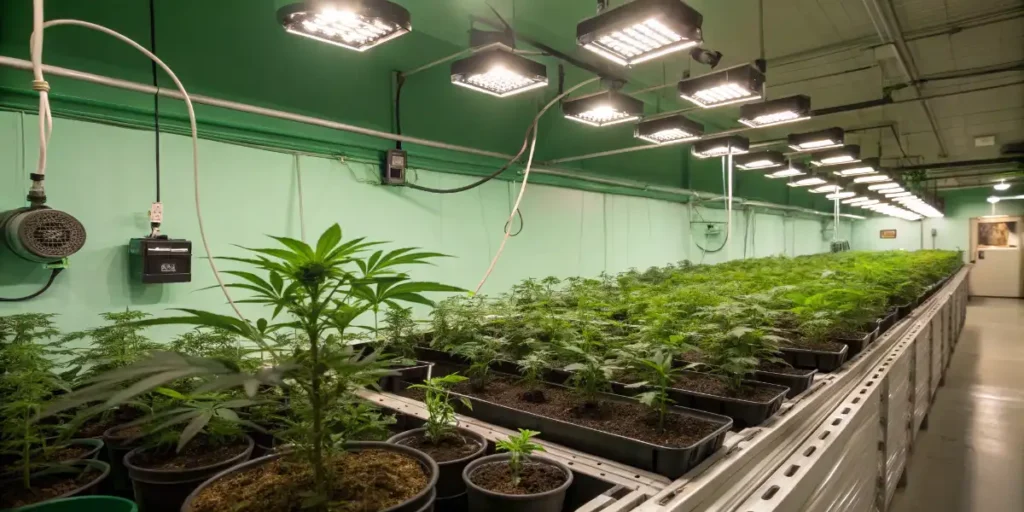
Light sensors can help identify whether plants are receiving uniform light across the canopy.
For cannabis cultivation, sensors capable of measuring photosynthetic photon flux density (PPFD) are generally more informative for plant lighting than basic consumer lux meters because PPFD measures photons within the photosynthetically active range.
Mapping PPFD across the cultivation area can reveal excessive or insufficient lighting and large differences between sections of the room.
Light monitoring has indirect relevance to environmental management as well. Higher light input influences leaf temperature, transpiration and cooling demand, which in turn can affect humidity and irrigation.
However, maintaining an 18/6 or 12/12 light schedule is a cultivation practice, not a contamination-control function of the sensor. The original article unnecessarily mixes these two concepts.
Airflow and Environmental Monitoring
Air movement deserves special attention because the room’s average temperature and humidity do not reveal whether stagnant pockets exist inside dense flowers.
Research on greenhouse cannabis has found that increased circulation can reduce both local humidity and microbial populations around maturing inflorescences. A 2024 review of integrated disease management in cannabis cites air movement around approximately 0.5–1.0 m/s as a useful target discussed for microbial suppression, while also emphasizing the importance of practical environmental management.
That figure should not be treated as a command to blast every plant with a fan. Excessive airflow can increase water stress or physically damage foliage, and the 2025 Botrytis study observed minor drying damage on plants closest to strong circulation fans.
The goal is consistent circulation without severe localized wind stress.
Sensors and periodic airflow measurements can help identify dead zones rather than relying only on whether leaves visibly move.
Can Sensors Detect Mold Directly?
Most standard cannabis grow-room sensors cannot.
A temperature and humidity probe measures environmental conditions associated with mold risk; it does not tell you whether Botrytis, Aspergillus or another fungus is actually present.
The same applies to CO2 and light sensors.
Specialized biological monitoring methods can sample spores or microbial contamination, but these are different from the environmental probes normally included in climate-control systems.
For this reason, claims such as “environmental sensors detect contamination before it occurs” should be avoided. A better statement is that sensors can detect environmental changes that increase contamination risk, allowing earlier investigation and corrective action.
Sensors Cannot Prevent Every Type of Contamination
Environmental management is only one layer of contamination control.
Cannabis research has found that total yeast and mold levels can also be influenced by genotype, leaf litter, worker harvesting activity, season, flower structure and post-harvest drying practices.
Sensors will not prevent a contaminated tool from contacting plants, stop workers from transferring microbes between areas or correct poor sanitation practices. They also cannot guarantee that harvested cannabis will pass microbial testing.
A good contamination-prevention program therefore combines environmental monitoring with hygiene, sanitation, appropriate airflow, plant inspection, pest management and careful post-harvest handling.
How Many Sensors Does a Cannabis Grow Need?
There is no universal sensors-per-square-foot formula.
A small tent may obtain useful information from one well-placed temperature/RH probe, whereas a commercial room can require multiple monitoring points because environmental conditions vary significantly across larger areas.
The important question is whether the sensor network captures the different microclimates that actually exist.
If one side of a room is beside an HVAC supply, another sits near a return vent and a third contains much denser plant material, one sensor positioned in the middle may hide important differences.
Start with representative locations and expand monitoring when the data or crop behavior suggests meaningful spatial variation.
How Often Should Sensor Data Be Recorded?
Continuous or frequent automated logging is more useful than occasionally checking a display by hand.
A single RH reading at noon may look perfectly normal even if humidity rises sharply for several hours every night. Historical data reveals those cycles.
Useful monitoring systems allow growers to examine daily peaks, minimums, rate of change and the amount of time conditions remain outside the desired operating range.
Trend data also makes troubleshooting easier. A gradual increase in nighttime humidity over several days, for example, may indicate increasing plant biomass or insufficient dehumidification before visible disease appears.
The value comes from patterns, not merely having a digital number on the wall.
Use Alerts Instead of Watching Sensors Constantly
One of the main advantages of connected environmental monitoring is the ability to create alerts.
Rather than requiring someone to watch dashboards continuously, a system can flag unusual temperature, RH, CO2 or equipment behavior.
Good alert thresholds should reflect the facility, crop stage and risk tolerance rather than arbitrary numbers copied from another grow.
It is also useful to distinguish between a brief excursion and a sustained problem. A momentary rise in RH may require no action, whereas several hours of unfavorable conditions at flower level can be much more meaningful.
Modern greenhouse monitoring increasingly combines multiple sensors, data logging and automated controls. A 2025 review found that multi-sensor systems can improve environmental monitoring and control resilience, while noting that calibration, interoperability and data quality remain important limitations.
Calibrating Cannabis Grow Sensors
Sensor accuracy should never be assumed permanently.
Temperature and humidity probes can drift over time, become contaminated or provide biased measurements because of placement. CO2 sensors can also require calibration according to the manufacturer’s specifications.
A monitoring system using ten inaccurate sensors does not become reliable simply because it collects more data.
Growers should follow calibration recommendations for the specific equipment, compare suspect sensors against a known reference and replace probes that no longer remain within acceptable tolerance.
Keeping calibration records is particularly useful in commercial facilities where environmental data forms part of quality assurance or operational documentation.
Should Environmental Sensors Automate Grow-Room Controls?
They can, and automation is one of the most useful applications of environmental monitoring.
Temperature and humidity readings can feed HVAC or dehumidification controls, CO2 sensors can regulate enrichment equipment, and light sensors can help identify lighting problems.
However, automation should include sensible limits and failure handling.
A failed humidity probe should not be able to command environmental equipment indefinitely without another safeguard. Likewise, conflicting readings between sensors should trigger investigation rather than blind automated correction.
Multi-sensor greenhouse systems increasingly use data fusion and predictive control, but reliable sensors and robust underlying data remain essential.
Common Environmental Monitoring Mistakes
A common mistake is relying on a single room sensor while ignoring conditions inside the canopy. Another is treating recommended environmental ranges as universal rules instead of adapting them to plant stage, equipment and actual crop response.
Poor sensor placement can be just as misleading as poor calibration. Probes directly under HVAC outlets, beside humidifiers or exposed to intense radiant heat may provide readings that do not represent the crop.
Growers should also avoid assuming that controlling temperature and humidity removes the need for sanitation or plant inspection. Environmental data helps identify risk, but contamination prevention remains a broader biological and operational problem.
Finally, avoid using impressive-sounding statistics without evidence. Claims such as “sensors increase yield by 30%” or “reduce mold by 50%” cannot be generalized across cannabis facilities unless they refer to a specific controlled study.
Environmental Sensors for Cannabis: Key Takeaway
Environmental sensors give cannabis growers visibility into temperature, humidity, VPD, CO2, light and other conditions that would otherwise be difficult to assess consistently.
For contamination management, temperature and humidity measurements near the actual canopy and flowers are especially valuable. Cannabis research shows that mature inflorescences can develop substantially more humid microclimates than the surrounding room, which means a single ambient sensor can underestimate disease risk.
Sensors should therefore be used as part of a larger environmental-management system: collect representative data, track trends, calibrate equipment, identify high-risk microclimates and use airflow, dehumidification, spacing and other controls where necessary.
They cannot guarantee mold-free cannabis, directly prevent pests or replace sanitation and microbial testing.
FAQs About Cannabis Environmental Sensors
What environmental sensors are used in cannabis cultivation?
The most common cannabis environmental sensors measure air temperature, relative humidity, CO2 and light. More advanced systems may also monitor leaf temperature, substrate moisture, electrical conductivity and pH. Temperature and humidity sensors are particularly important for identifying environmental conditions associated with mold and bud rot during dense flowering.
Where should humidity sensors be placed in a cannabis grow room?
Humidity sensors should measure conditions experienced by the crop rather than only the general room. Canopy- and flower-level placement is useful, especially in dense flowering areas, while larger facilities may need multiple locations. Research has found substantially higher RH inside mature cannabis inflorescences than in the surrounding greenhouse environment.
Can environmental sensors prevent cannabis mold?
Sensors cannot prevent mold directly, but they can identify temperature and humidity conditions associated with increased disease risk. The resulting data can guide ventilation, dehumidification, plant spacing and air circulation. Cannabis studies show that environmental management, particularly improved circulation around inflorescences, can substantially reduce Botrytis bud rot under tested greenhouse conditions.
What humidity should a cannabis grow room have?
There is no single RH percentage that is optimal for every cannabis plant, growth stage and production system. Humidity should be interpreted alongside temperature, plant stage, airflow and localized flower conditions. Dense inflorescences can be considerably more humid than ambient room air, so preventing prolonged high-moisture microclimates is more useful than relying on one universal RH number.
Do cannabis growers need CO2 sensors?
A CO2 sensor is particularly useful when a cultivation facility actively enriches CO2 or needs to understand ventilation performance. It allows the control system to measure actual concentration rather than assuming supplementation is working correctly. However, CO2 requirements depend on lighting and cultivation conditions, and CO2 monitoring does not directly prevent mold or insect infestations.
How often should cannabis environmental sensors be calibrated?
Calibration frequency depends on the sensor technology and manufacturer’s specifications, so there is no universal schedule for every device. Growers should periodically compare important sensors with a reliable reference, investigate readings that disagree with nearby probes and document calibration or replacement. Accurate placement and calibration are essential because automation can amplify errors from faulty sensors.