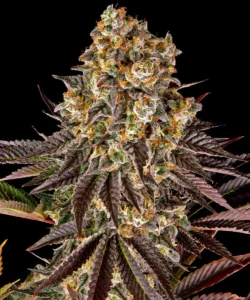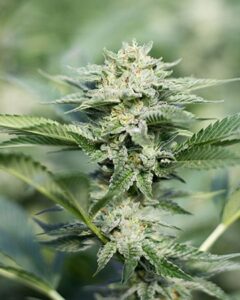
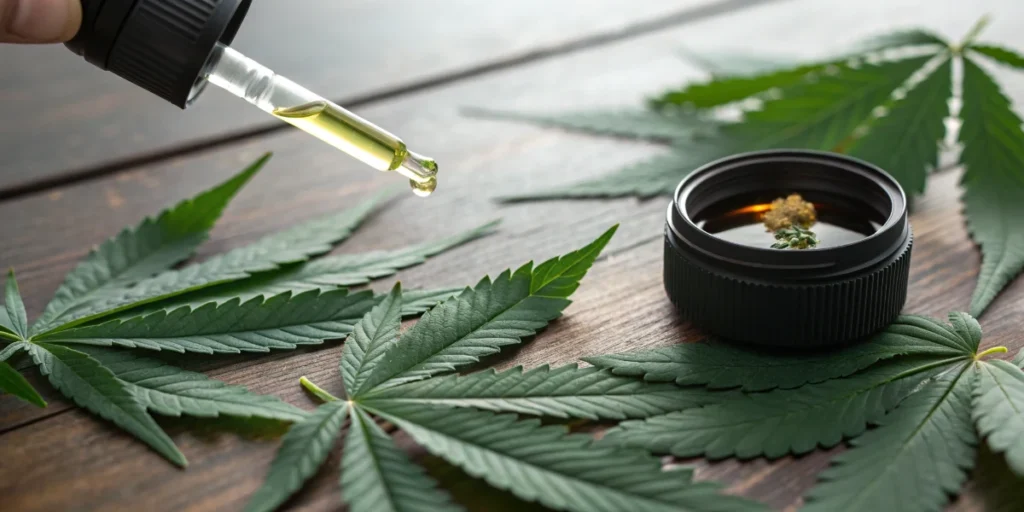

Leaf sap extraction methods for cannabis refractometer tests are crucial for growers who wish to monitor plant health and optimize growth conditions. The process involves extracting sap from cannabis leaves to measure the Brix level, which indicates the sugar content and overall plant vitality. Recognizing the nuances of these methods can significantly enhance the quality and yield of cannabis plants.
Sap readings reveal what is happening inside the plant, but they mean more alongside your other data. Pair them with environmental sensors to catch temperature and humidity swings before they cause problems, and with Brix readings to judge ripeness and time your flush accurately. Together these tools give a far clearer picture than any single metric.
Recommended Strains
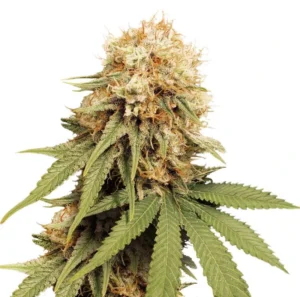
White Widow

|
THC | 24% - 25% (High) |

|
Lineage | South American Sativa Landrace x South Indian Indica Landrace |

|
Type | Feminized |

|
Height | 5.25 ft | 1.6 m |

|
Yield | High |

|
Yield Indoor | 1.64 - 2.13 oz/ft² | 500 - 650 g/m² |

|
Flowering Time | 9 - 10 weeks |

|
Phenotype | 60% Indica / 40% Sativa |

|
Effects | Euphoric, Happy, Uplifted |

|
Flavors | Earthy, Pungent, Spicy |

Blue Gelato
|
|
THC | 23% - 24% (High) |
|
|
Lineage | Blueberry x Thin Mint Girl Scout Cookies x Sunset Sherbert |
|
|
Type | Feminized |
|
|
Height | 5.74 ft | 1.75 m |
|
|
Yield | High |
|
|
Yield Indoor | 1.8 - 1.97 oz/ft² | 550 - 600 g/m² |

|
Yield Outdoor | 17.64 - 21.16 oz/plant | 500 - 600 g/plant |
|
|
Flowering Time | 9 - 10 weeks |
|
|
Phenotype | 80% Indica / 20% Sativa |
|
|
Effects | Balanced, Relaxed, Uplifted |
|
|
Flavors | Diesel, Earthy |
For those cultivating strains such as White Widow, Blue Gelato, and Gelato #45 from Growlantis, mastering sap extraction techniques can be particularly beneficial. Each of these strains has unique characteristics and growth requirements, making precise monitoring essential.
White Widow is renowned for its resilience and balanced THC/CBD levels, making it ideal for both novice and experienced growers. In contrast, Blue Gelato is celebrated for its rich terpene profile and potential high yields. Gelato #45, known for its potency and complex flavor, requires careful attention to detail in its growth stages. By employing effective leaf sap extraction methods, growers can ensure these strains reach their full potential.
Recognizing Leaf Sap Extraction Techniques
Leaf sap extraction techniques for cannabis refractometer tests involve several methods, each with its benefits and challenges. The goal is to obtain a clear sap sample for accurate refractometer readings, which help in assessing plant health and soil nutrient availability.
In exploring optimal methods for leaf sap extraction in cannabis tests, it’s important to consider the plant’s growth stage and environmental conditions. For instance, during a dry spell, the sap concentration might be higher, potentially skewing Brix readings. Therefore, timing the extraction when environmental conditions are stable can lead to more reliable results. Recognizing this aspect helps growers of White Widow, Blue Gelato, and Gelato #45 to take consistent and accurate measurements, ultimately aiding in the decision-making process for nutrient adjustments and other cultivation practices.
The Simple Squeeze Method
The simple squeeze method is often preferred by small-scale growers due to its ease and minimal equipment requirements. This method involves selecting a healthy leaf, typically from the middle of the plant, and gently squeezing it to extract the sap. While convenient, the method may yield variable results due to inconsistent pressure application.
For strains like White Widow, known for its sturdy leaves, the squeeze method can be particularly effective. However, growers should be cautious not to damage the leaf tissue, as this could affect the plant’s overall health. Regular monitoring using the refractometer can help in adjusting cultivation practices to optimize growth conditions.
Mechanical Press Extraction
The mechanical press extraction method is more suited for large-scale operations or those seeking consistent results. This technique uses a mechanical press to apply uniform pressure on the leaf, ensuring a steady flow of sap. The method is efficient and reduces the risk of contamination, making it ideal for strains like Blue Gelato, which require precise nutrient management.
By utilizing a mechanical press, growers can achieve a more accurate representation of the plant’s Brix levels. This is crucial for optimizing the terpene profile of Blue Gelato, ensuring it retains its signature aroma and flavor. Regular sap testing allows growers to adjust nutrient levels, enhancing plant health and yield.
Advanced Techniques for Optimal Sap Extraction
For those seeking to refine their cannabis leaf sap refractometer extraction techniques, advanced methods offer increased accuracy and efficiency. These techniques often involve specialized equipment and a deeper knowledge of plant physiology.
Advanced leaf sap extraction for cannabis refractometers often incorporates the use of technology to monitor environmental conditions and their effect on sap quality. Implementing digital sensors to track temperature and humidity can help in determining the optimal timing for sap extraction. This approach is particularly beneficial for strains like Gelato #45, where precision is critical. By synchronizing environmental data with extraction schedules, growers can ensure that the sap’s condition accurately reflects the plant’s health and nutrient needs, leading to more effective cultivation strategies.
Vacuum-Assisted Extraction
Vacuum-assisted extraction utilizes a vacuum pump to draw sap from the leaf, offering a clean and efficient method for obtaining samples. This technique reduces the risk of oxidation and contamination, providing reliable results for refractometer analysis. It’s an excellent choice for high-value strains like Gelato #45, where precision is paramount.
Gelato #45, with its high THC content and complex cannabinoid profile, benefits from the meticulous nature of vacuum-assisted extraction. By accurately measuring the Brix levels, growers can fine-tune their nutrient regime to maximize potency and flavor complexity, ensuring the strain’s full potential is achieved.
Hydraulic Press Extraction
The hydraulic press extraction method employs hydraulic pressure to extract sap, offering a powerful and efficient solution for large-scale growers. This method is particularly effective for strains with tougher leaves, such as White Widow, where manual methods might fall short.
Hydraulic presses provide consistent pressure, ensuring a high yield of sap with minimal effort. This technique not only enhances the accuracy of refractometer readings but also supports sustainable farming practices by maximizing resource use. For White Widow, this means optimizing the balance between its robust growth and cannabinoid production.
Practical Tips for Efficient Cannabis Sap Extraction
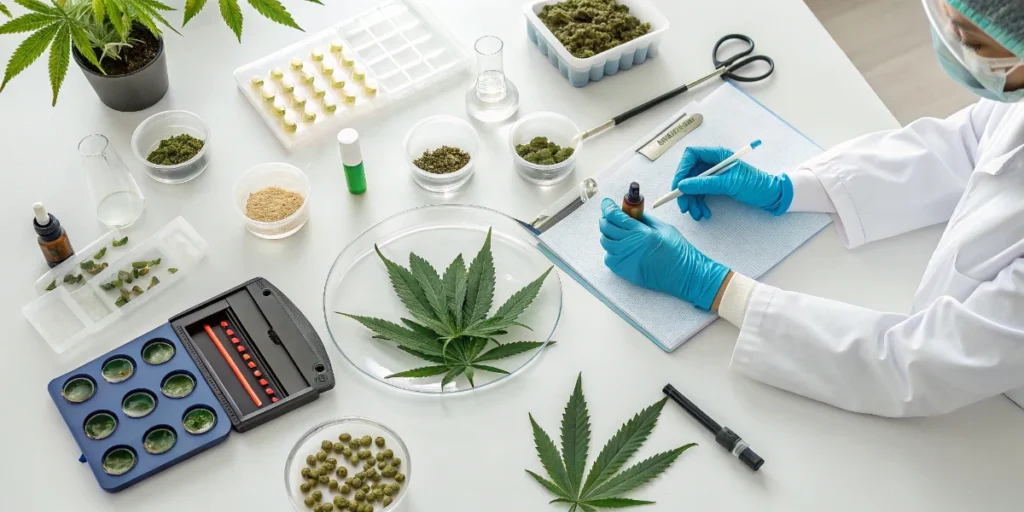
When implementing cannabis sap collection procedures for refractometer analysis, growers should consider several practical tips to enhance efficiency and accuracy. These tips are applicable across different strains, including Blue Gelato, White Widow, and Gelato #45.
Efficient cannabis sap extraction for refractometry begins with a keen eye for plant condition and timing. Monitoring the plant’s hydration status and environmental stressors can provide insights into when the leaves are most suitable for sap extraction. For Blue Gelato, extracting sap during cooler parts of the day can prevent heat-induced stress from affecting the Brix level accuracy. Additionally, consistent record-keeping of extraction times and environmental conditions can aid in refining the extraction process over time, leading to improved consistency and reliability of the results.
Selecting the Right Leaves
Choosing the appropriate leaves for sap extraction is crucial. Typically, mature leaves from the mid-section of the plant provide the most consistent results. These leaves have a stable nutrient profile, making them ideal for monitoring the plant’s health.
For Blue Gelato, selecting leaves during its flowering stage can offer insights into the plant’s sugar production and readiness for harvest. Regular testing at this stage helps in fine-tuning nutrient inputs to enhance the strain’s terpene expression.
Maintaining Equipment Hygiene
Equipment hygiene is a critical aspect of efficient cannabis sap extraction for refractometry. Ensuring that all tools are clean and free from contaminants prevents skewed results and maintains the integrity of the sap sample.
For Gelato #45, where precision is key to achieving desired THC levels, maintaining a sterile environment is essential. Regular cleaning of presses, blades, and storage containers ensures accurate data collection, allowing growers to make informed decisions about nutrient management.
Analyzing Results from Refractometer Tests
Once sap extraction is complete, the next step involves analyzing the results from refractometer tests. This analysis helps growers understand nutrient availability and plant health, guiding future cultivation practices.
Interpreting refractometer test results requires a comprehensive holistic of how Brix levels correlate with plant health and nutrient uptake. For different strains like White Widow, Blue Gelato, and Gelato #45, the interpretation of these levels can guide targeted interventions. For instance, a sudden drop in Brix levels could indicate potential nutrient deficiencies or environmental stress, prompting immediate corrective measures. By correlating test results with observed plant conditions, growers can develop more precise nutrient management plans that align with each strain’s specific growth requirements, ultimately leading to enhanced yield and quality.
Interpreting Brix Levels
Brix levels, measured through refractometer tests, indicate the sugar content within the plant sap. Higher Brix levels generally signify healthier plants with robust nutrient uptake, leading to better yields and quality.
For strains like White Widow, consistent monitoring of Brix levels can help in identifying nutrient deficiencies early, allowing for timely interventions. This proactive approach ensures that White Widow maintains its reputation for resilience and balanced cannabinoid production.
Adjusting Nutrient Regimes
Based on the refractometer analysis, growers can adjust their nutrient regimes to better support plant growth. This is particularly important for strains like Blue Gelato, where precise nutrient management enhances terpene profiles and overall flavor complexity.
By aligning nutrient inputs with Brix level readings, growers can optimize the growth environment for Blue Gelato, ensuring it meets market expectations for flavor and aroma. This data-driven approach supports sustainable cultivation practices, maximizing yield and quality.
FAQ
What is the purpose of leaf sap extraction in cannabis cultivation?
Leaf sap extraction is performed to measure the Brix level, which indicates the sugar content and overall health of the cannabis plant. By monitoring these levels, growers can assess nutrient availability and make informed decisions about plant care. This process is crucial for optimizing the yield and quality of strains like White Widow, Blue Gelato, and Gelato #45.
How do different extraction methods affect refractometer test results?
Different extraction methods can impact the consistency and accuracy of refractometer test results. Techniques like mechanical press and vacuum-assisted extraction offer more reliable outcomes compared to manual methods, which might introduce variability. For high-value strains such as Gelato #45, precise extraction is essential to ensure accurate Brix level readings.
Can sap extraction techniques be used for all cannabis strains?
Yes, sap extraction techniques can be applied to all cannabis strains, although the specific method may vary based on the strain’s characteristics. For example, White Widow’s sturdy leaves are well-suited for hydraulic press extraction, while Blue Gelato benefits from meticulous methods like vacuum-assisted extraction. Each method can be tailored to enhance the specific traits of the strain.
What equipment is needed for advanced sap extraction methods?
Advanced sap extraction methods require equipment such as mechanical or hydraulic presses and vacuum pumps. These tools provide consistent pressure and minimize contamination risks, resulting in more accurate refractometer readings. Investing in quality equipment is advisable for growers aiming to optimize strains like Gelato #45 for potency and flavor.
How often should refractometer tests be conducted?
The frequency of refractometer tests depends on the growth stage and specific goals of the cultivation process. Regular testing, particularly during critical phases like flowering, can help in fine-tuning nutrient regimes. For strains like Blue Gelato, frequent monitoring ensures that the plant maintains its desired terpene profile and overall quality.