
Quick answer: Sugars are the main product of photosynthesis, so sap sugar levels (read as Brix) reflect how well a plant is capturing light and feeding, which is a good indicator of vitality. Higher levels usually mean a healthy, active plant; low levels flag light, nutrient or stress issues. It is a comparative signal of plant status, not a measure of potency.
Brix is only useful when you understand what moves the reading up or down. For more on that, our explainer on Brix vs EC in Cannabis Cultivation for Success and our notes on Difference Between Brix and Nutrient PPM in Cannabis walk through the variables that matter and how to act on what the refractometer tells you.
Recommended Strains

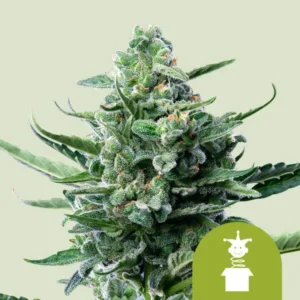
Auto Jack Herer

|
Type | Autoflowering |

|
THC | 17% - 18% (Medium) |

|
Lineage | Jack Herer x Ruderalis |

|
Phenotype | 50% Indica / 50% Sativa |

|
Effects | Happy, Euphoric, Relaxed |

|
Flavors | Fruity, Skunk, Pine, Spicy |

|
Life Cycle | 10 - 11 weeks |

|
Yield Outdoor | 7.05 oz/plant | 200 g/plant |

|
Height | 2.79 ft | 0.85 m |
Royal Jack Auto
|
|
Type | Autoflowering |
|
|
THC | 15% - 16% (Medium) |
|
|
Lineage | Jack Herer x Ruderalis |
|
|
Phenotype | 30% Indica / 40% Sativa / 30% Ruderalis |
|
|
Effects | Creative, Uplifted |
|
|
Flavors | Earthy, Herbal, Pepper |
|
|
Life Cycle | 7 - 8 weeks |

|
Yield | Medium |

|
Yield Indoor | 1.15 - 1.31 oz/ft² | 350 - 400 g/m² |
|
|
Yield Outdoor | 2.47 - 4.23 oz/plant | 70 - 120 g/plant |
|
|
Height | 2.3 ft | 0.7 m |
Photosynthesis is the process through which plants convert light energy into chemical energy in the form of sugars. These sugars are then transported throughout the plant to fuel growth, repair, and other essential functions. As such, sugar levels can serve as a direct indicator of the plant’s photosynthetic efficiency and, consequently, its vitality. By closely monitoring how sugar levels reflect cannabis plant vitality, growers can make informed decisions about their cultivation techniques.
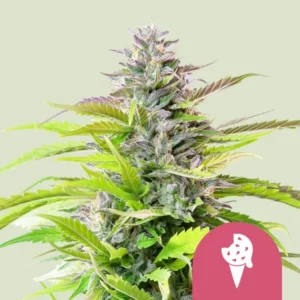
A strain like Royal Runtz Auto is known for vigorous growth and strong sugar production, which shows how sugar levels can track with vitality. It thrives across environments and reads consistently, making it a good example of the link between sugar levels and plant vitality.
The Science Behind Sugar Levels in Cannabis
Sugar levels in cannabis plants are a direct result of photosynthesis, a complex process that converts light energy into sugars. During this process, carbon dioxide and water are transformed into glucose and oxygen in the presence of sunlight. The glucose is then used as an energy source for the plant or stored as starch for later use. High sugar levels often indicate a healthy, photosynthetically active plant, while low sugar levels may suggest issues with light exposure, nutrient availability, or environmental stress.
Alongside serving as an energy source, sugars play a pivotal role in regulating vital physiological processes such as osmosis and signal transduction in cannabis plants. This regulation directly influences the plant’s ability to adapt to environmental changes and stressors, showcasing how sugar levels reflect cannabis plant vitality. By recognizing and optimizing the factors that affect photosynthesis, growers can enhance the sugar concentration in cannabis plant health, ultimately leading to more vigorous and resilient plants. Incorporating insights about the correlation between sugar levels and cannabis vitality can be particularly beneficial for managing the growth cycles of strains like Auto Jack Herer, ensuring optimal performance and yield.
Photosynthesis and Sugar Production
In cannabis cultivation, recognizing the intricacies of photosynthesis is key to optimizing sugar levels. Cannabis plants require sufficient light, water, and carbon dioxide to maximize photosynthetic efficiency. When these elements are in balance, plants produce high levels of glucose, which are essential for robust growth and development. To ensure your plants are getting enough light, consider using high-quality grow lights or positioning plants to receive optimal natural sunlight.
Monitoring environmental factors such as temperature and humidity is equally important. These factors can influence the rate of photosynthesis and, consequently, sugar production. By maintaining ideal conditions, you can encourage your plants to produce ample sugars, thereby enhancing their vitality.
Role of Sugars in Plant Development
Sugars are not only an energy source but also act as signaling molecules that regulate plant growth and development. They play a crucial role in cell division, elongation, and differentiation, all of which are vital for healthy plant development. High sugar levels can stimulate growth and improve plant structure, leading to higher yields and better-quality buds.
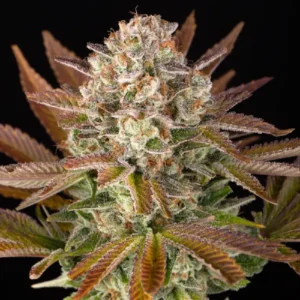
A strain like Auto Jack Herer grows well thanks to efficient sugar use. Reading how sugar levels reflect vitality helps you keep conditions on track; the readings indicate plant status rather than measuring potency, which depends on genetics and cultivation.
| Sugar-level signal | What it usually indicates | What to do |
|---|---|---|
| Higher, stable trend | Efficient photosynthesis, good feeding | Keep conditions consistent |
| Falling trend | Light, nutrient or water issue | Check light, feeding and root zone |
| Erratic readings | Inconsistent sampling | Standardize tissue and time of day |
| Remember | Reflects plant status, not potency | Verify cannabinoids by lab testing |
Measuring Sugar Levels for Cannabis Vitality Assessment
To effectively use sugar levels as an indicator of cannabis plant health, accurate measurement is essential. Various methods can be employed to assess sugar levels, each offering different insights into plant vitality. By incorporating these measurements into your cultivation practices, you can make informed decisions that enhance the health and productivity of your cannabis plants.
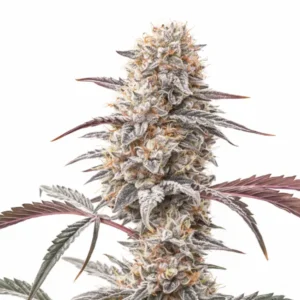
Measuring sap sugar levels regularly lets you track vitality over time and catch stress or deficiency early. Tools like refractometers and Brix meters give useful insight into plant status for a strain like Cookies Gelato. Good nutrition supports its development, though THC and terpene content come from genetics and cultivation, confirmed by lab testing rather than a Brix number.
Testing Sugar Levels
One common method for measuring sugar concentration in cannabis plant health is the use of a refractometer. This device measures the refractive index of plant sap, which correlates directly with sugar content. By regularly testing the sap from your cannabis plants, you can monitor sugar levels and make adjustments to your cultivation practices as needed.
Another approach is the use of Brix meters, which provide a simple and quick way to assess sugar levels. Brix meters measure the percentage of dissolved sugars in plant sap, offering a clear indication of plant health. By maintaining optimal Brix levels, you can ensure that your cannabis plants are thriving.
Interpreting Sugar Level Readings
Once you’ve measured sugar levels, interpreting the results is the next step. High sugar levels generally suggest that the plant is photosynthetically efficient, receiving adequate light, water, and nutrients. These plants are likely to exhibit vigorous growth, strong stems, and abundant flowering.
Conversely, low sugar levels may indicate underlying issues such as nutrient deficiencies, poor light conditions, or pest infestations. In such cases, it’s important to investigate and address these issues promptly to restore plant vitality. recognizing the correlation between sugar levels and cannabis vitality is crucial for achieving optimal results.
Practical Tips for Enhancing Sugar Levels in Cannabis Plants
Improving sugar levels in your cannabis plants can lead to healthier, more productive crops. By implementing specific strategies, you can enhance the photosynthetic efficiency of your plants and, consequently, their vitality. Here are some actionable tips to help you achieve this goal:
To further enhance sugar levels, growers should consider implementing advanced techniques such as controlled environment agriculture (CEA), which allows for precise management of growth conditions. By regulating factors like CO2 concentration, light intensity, and temperature, cultivators can create an optimal environment that maximizes photosynthetic activity and sugar production. This approach can be particularly beneficial for high-value strains like Cookies Gelato, where maintaining high sugar levels is crucial for achieving the desired potency and flavor profile. recognizing how sugar levels reflect cannabis plant vitality and applying this knowledge through technological advancements can significantly improve the overall health and yield of the crop.
Optimizing Light Conditions
Light is a critical factor in photosynthesis, and ensuring your plants receive adequate illumination is key to boosting sugar levels. Consider using full-spectrum LED grow lights, which mimic natural sunlight and provide the necessary wavelengths for photosynthesis. Alternatively, position your plants to take full advantage of natural sunlight, ensuring they receive consistent light exposure throughout the day.
Optimizing light matters for a strain like Cookies Gelato. Good light supports photosynthesis and healthy sugar production, which shows as steadier readings and supports development. Its potency and aroma are set by genetics and cultivation, so use sugar levels as a vitality signal, not a quality gauge.
Ensuring Nutrient Balance
Nutrients play a vital role in plant health and can significantly impact sugar production. Ensure your cannabis plants receive a balanced supply of essential nutrients, including nitrogen, phosphorus, and potassium. These nutrients support critical processes such as photosynthesis, energy transfer, and cell division.
Regularly testing your soil or growing medium for nutrient levels can help you maintain the right balance. If deficiencies are detected, consider using organic fertilizers or amendments to replenish nutrients and enhance sugar levels, ultimately improving plant vitality.
Common Challenges and Solutions in Managing Sugar Levels
While maintaining optimal sugar levels can significantly enhance cannabis plant vitality, growers may encounter various challenges along the way. Identifying these challenges and implementing effective solutions is crucial for successful cultivation. Here are some common issues and strategies to overcome them:
One of the most significant challenges in managing sugar levels is dealing with unpredictable environmental factors that can affect photosynthesis. For instance, sudden weather changes or equipment malfunctions can lead to fluctuations in light, temperature, or humidity, impacting sugar production. Employing automation systems that monitor and adjust environmental conditions in real-time can help mitigate these risks. Additionally, recognizing how sugar levels reflect cannabis plant vitality can guide growers in responding quickly to any adverse changes, ensuring that strains like Royal Runtz Auto maintain their sugar concentration and overall health. By being proactive and adaptable, growers can overcome these challenges and sustain high vitality in their cannabis plants.
Pest and Disease Management
Pests and diseases can negatively impact sugar levels by disrupting photosynthetic processes and damaging plant tissues. Implementing integrated pest management (IPM) strategies can help protect your plants from such threats. Regularly inspect your plants for signs of pest activity or disease and take prompt action to address any issues.
Using natural pest control methods, such as introducing beneficial insects or applying organic insecticides, can help maintain plant health without harming the environment. By keeping pests and diseases at bay, you can ensure that your plants maintain optimal sugar levels and vitality.
Environmental Stress Mitigation
Environmental stressors such as extreme temperatures, humidity fluctuations, and drought can adversely affect sugar levels. To mitigate these stresses, create a stable growing environment by controlling temperature and humidity levels within the ideal range for cannabis cultivation.
Additionally, ensure consistent watering practices to prevent drought stress, which can hinder photosynthesis and reduce sugar production. By proactively managing environmental conditions, you can support your plants’ vitality and ensure they thrive.
Frequently asked questions
What is the significance of sugar levels in cannabis plants?
Sugar levels reflect a plant’s photosynthetic efficiency and overall health, so they are a useful vitality signal. Higher levels usually mean efficient energy production and vigorous growth; low levels can flag nutrient, light or pest issues. They indicate plant status rather than measuring potency, which is confirmed by lab testing.
How can I measure sugar levels in my cannabis plants?
Use a refractometer or Brix meter on a small sap sample. A refractometer reads the refractive index of the sap, which correlates with sugar content; a Brix meter reports the percentage of dissolved sugars. Sample consistently so trends are comparable, and read the value as a plant-status signal over time.
How do specific cannabis strains relate to sugar levels?
Strains differ in growth and sugar production: Royal Runtz Auto is known for vigorous growth and strong sugar output, while Auto Jack Herer uses sugars efficiently. A well-fed strain like Cookies Gelato develops well, but sugar levels reflect vitality rather than measuring THC or terpenes, which depend on genetics and are lab-verified.
What factors influence sugar production in cannabis plants?
Light exposure, nutrient availability and environmental conditions drive sugar production. Light powers photosynthesis; nitrogen, phosphorus and potassium support it; and temperature and humidity affect the rate. Keeping these balanced supports healthy sugar production and steadier readings, which is covered in our photosynthesis and Brix guide.
What challenges might I face when managing sugar levels, and how can I overcome them?
Pests, diseases and environmental stress can disrupt photosynthesis and lower sugar levels. Integrated pest management and natural controls protect the plant, while stable temperature, humidity and consistent watering limit stress. Addressing these early helps maintain vitality and keeps your sugar-level trend steady.