
Cannabis cultivation can be a rewarding endeavor, but it comes with its own set of challenges, especially when it comes to maintaining the vibrancy of your plants’ leaves. Leaf discoloration is a common issue faced by growers, both new and experienced. Fortunately, there are several strategies you can employ to prevent leaf discoloration in outdoor cannabis, ensuring your plants remain healthy and vibrant throughout the growing season.
Outdoor cannabis plants are exposed to a myriad of factors that can lead to leaf discoloration. Addressing these factors proactively can make a significant difference in the health and yield of your cannabis crops. Key considerations include nutrient management, soil health, strain selection, and environmental conditions. By recognizing these aspects, you can effectively prevent leaf discoloration in your outdoor cannabis plants.
Recommended Strains
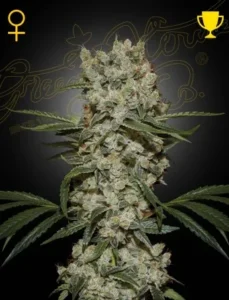
Super Silver Haze
 | THC | 26% - 27% (High) |
 | Lineage | Skunk x Northern Lights x Haze |
 | Type | Feminized |
 | Height | 6.56 ft | 2 m |
 | Yield Outdoor | 52.91 oz/plant | 1500 g/plant |
 | Flowering Time | 10 - 11 weeks |
 | Phenotype | 20% Indica / 80% Sativa |
 | Effects | Creative, Energetic, Calming |
 | Flavors | Pine, Berry, Diesel |
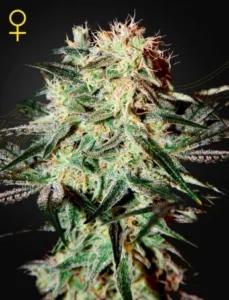
Arjan's Strawberry Haze
| | THC | 19% - 20% (Medium) |
| | Lineage | Swiss sativa x NL5 Haze Mist. |
| | Type | Feminized |
| | Height | 9.02 ft | 2.75 m |
| | Yield Outdoor | 31.75 oz/plant | 900 g/plant |
| | Flowering Time | 10 - 11 weeks |
| | Phenotype | 40% Indica / 60% Sativa |
| | Effects | Uplifted, Focused, Creative, Talkative |
| | Flavors | Sweet, Berry, Earthy |
One of the strains to consider planting is Super Silver Haze from Growlantis. Known for its resilience and high yield, this strain thrives in outdoor conditions with proper care. Additionally, Arjan’s Strawberry Haze and Durban Dew are excellent choices due to their robust growing characteristics and resistance to common environmental stressors. Each strain has unique needs and benefits that contribute to preventing leaf discoloration when grown outdoors.
Managing Nutrient Levels to Prevent Leaf Discoloration
Nutrient management is crucial for preventing leaf discoloration in outdoor cannabis plants. Cannabis plants require a balanced diet of macro and micronutrients to thrive. An imbalance can lead to nutrient deficiencies or toxicities, both of which can cause leaf discoloration.
To effectively manage nutrients, it’s essential to tailor your feeding schedule to the specific life stage of your plants. During the vegetative stage, focus on providing higher levels of nitrogen to encourage lush, green foliage. As the plants transition to the flowering stage, gradually reduce nitrogen and increase phosphorus and potassium to support bud development and overall plant health. By employing these strategies, you can prevent nutrient imbalances that lead to leaf discoloration. Additionally, regular monitoring and adjustments based on plant response are critical tips for preventing yellow leaves in outdoor cannabis plants, ensuring a vibrant and healthy crop.
The Best Nutrients to Prevent Leaf Discoloration in Outdoor Cannabis
Providing the best nutrients helps prevent leaf discoloration. Key nutrients include nitrogen, phosphorus, and potassium, often referred to as N-P-K. Nitrogen is essential for leaf development, phosphorus for root and flower growth, and potassium for overall plant health. Additionally, micronutrients like magnesium, calcium, and iron are vital in small amounts.
Choosing a nutrient mix that caters to the specific needs of your chosen cannabis strain is important. Super Silver Haze, for example, responds well to a slightly higher nitrogen content during the vegetative stage. In contrast, Arjan’s Strawberry Haze might require a balanced N-P-K ratio throughout its growth cycle to maintain its characteristic vibrant green leaves.
How to Identify Nutrient Deficiencies Causing Leaf Discoloration in Cannabis
Identifying nutrient deficiencies early is key to preventing further leaf discoloration. Yellowing leaves often indicate a lack of nitrogen, while reddish or purple leaves might suggest a phosphorus deficiency. Leaf curling and browning could mean a potassium shortage.
Regularly inspecting your plants and comparing leaf color and pattern changes with deficiency charts can help. For instance, if you notice yellowing on new growth, it may indicate an iron deficiency, which requires immediate attention. Durban Dew, known for its lush green foliage, can display distinct signs of nutrient stress if not properly managed.
Improving Soil Health to Combat Leaf Discoloration
Healthy soil is the foundation of a thriving cannabis plant. Soil health influences nutrient availability, water retention, and root development, all of which play critical roles in preventing leaf discoloration.
To improve soil health and prevent cannabis leaf discoloration, consider incorporating a diverse range of organic amendments. Materials such as worm castings, bone meal, and mycorrhizal fungi can significantly enhance the microbial activity and nutrient cycling within the soil. These amendments not only enrich the soil with essential nutrients but also help in breaking down organic matter into forms that are more accessible to plants. Creating a living soil environment is one of the most effective ways to ensure consistent nutrient uptake and to prevent leaf discoloration from occurring. Remember, healthy soil is an ongoing process, and regular amendments can sustain plant vigor throughout the growing season.
How to Improve Soil Health to Prevent Cannabis Leaf Discoloration
Improving soil health involves several practices. First, ensure your soil has good drainage and aeration. Compacted soil can restrict root growth and nutrient uptake, leading to discoloration. Adding organic matter like compost can enhance soil structure and nutrient content.
Testing soil pH is also crucial, as it affects nutrient availability. Cannabis prefers a slightly acidic pH of 6.0 to 7.0. Adjusting soil pH using lime or sulfur can help maintain optimal conditions. For growers using strains like Durban Dew, known for its vigorous root growth, maintaining healthy soil is essential for preventing nutrient lockout and leaf discoloration.
Cover Crops and Mulching
Using cover crops and mulching can significantly improve soil health. Cover crops like clover or legumes fix nitrogen in the soil and prevent erosion. Mulching with organic materials helps retain soil moisture, suppress weeds, and gradually adds nutrients as it decomposes.
By employing these practices, you create a more stable environment for your cannabis plants. This stability is particularly beneficial for strains like Arjan’s Strawberry Haze, which thrives in rich, well-maintained soils.
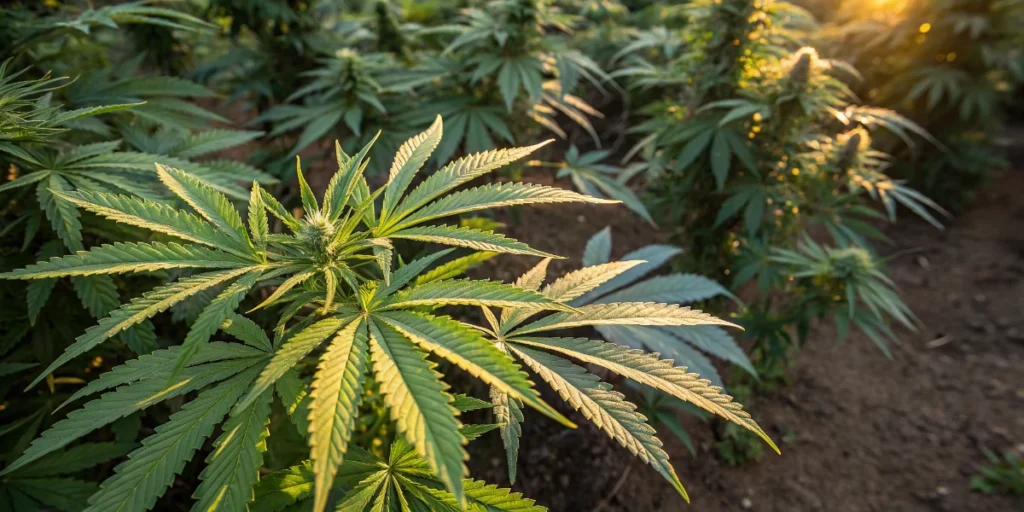
Environmental Factors Affecting Leaf Color
Environmental factors can also play a significant role in leaf discoloration. Weather conditions, light exposure, and temperature fluctuations can stress plants and affect their coloration.
One effective way to mitigate environmental stressors is by implementing protective measures tailored to your local climate. For example, using shade cloth can protect plants from intense midday sun, reducing the risk of leaf bleaching and sunburn. In cooler climates, using row covers or cold frames during unexpected cold spells can help maintain stable temperatures and prevent chilling injuries. Additionally, installing windbreaks can shield plants from strong winds, which may otherwise cause physical damage and exacerbate leaf discoloration. These practical tips for preventing yellow leaves in outdoor cannabis plants can make a significant difference in maintaining healthy, vibrant foliage.
Environmental Factors Causing Leaf Discoloration in Outdoor Cannabis Plants
Extreme temperatures, whether too hot or cold, can cause cannabis leaves to change color. High temperatures can lead to heat stress, causing leaves to curl and turn yellow or brown. Conversely, cold temperatures can slow growth and cause purple or darkened leaves.
Light exposure is another critical factor. Cannabis plants require ample sunlight, but too much direct light can bleach leaves, especially in young plants. Providing shade during peak sunlight hours or using protective covers can mitigate this issue.
Adapting to Weather Changes
Adapt your growing practices to the local climate to prevent leaf discoloration. For instance, in regions with high humidity, ensure adequate spacing between plants to promote air circulation and prevent fungal diseases, which can cause leaves to discolor.
Super Silver Haze is particularly adaptable to various climates, but even this resilient strain can suffer if environmental conditions are not managed properly. Monitoring weather forecasts and taking preventive measures can keep your plants healthy and green.
Choosing the Right Strain for Your Environment
Selecting the appropriate strain for your specific growing conditions is vital for preventing leaf discoloration. Different strains have varied resilience to environmental stressors and nutrient requirements.
When choosing a strain, consider the unique characteristics and adaptability of Super Silver Haze, Arjan’s Strawberry Haze, and Durban Dew to your specific environment. Super Silver Haze is ideal for areas with long growing seasons due to its relatively longer flowering period, while Arjan’s Strawberry Haze offers a balanced profile for moderate climates. Durban Dew is perfect for regions with shorter growing seasons, thanks to its quick flowering time. Recognizing these characteristics can help you select the best strain for how to prevent leaf discoloration in outdoor cannabis, ensuring a robust and healthy harvest.
Characteristics of Super Silver Haze, Arjan’s Strawberry Haze, and Durban Dew
Super Silver Haze is known for its high yield and resistance to common pests and diseases, making it an excellent choice for outdoor cultivation. Its flowering time is approximately 10-11 weeks, and it has a high THC content, making it popular among recreational users.
Arjan’s Strawberry Haze is celebrated for its sweet aroma and flavor. It has a flowering time of about 10 weeks and a balanced THC/CBD profile, offering a more moderate high. This strain’s resilience to environmental stress makes it a good option for variable climates.
Durban Dew, with its short flowering period of 8-9 weeks, is perfect for growers in regions with shorter growing seasons. It is known for its high THC levels and energetic effects. Its robust growth and adaptability make it a reliable choice for preventing leaf discoloration.
FAQ
What causes yellow leaves in outdoor cannabis plants?
Yellow leaves in outdoor cannabis plants are often caused by nutrient deficiencies, particularly nitrogen. Environmental stressors such as extreme temperatures and overwatering can also contribute to yellowing leaves. Regular monitoring and balanced nutrient management can help prevent this issue.
How can I prevent nutrient deficiencies in my cannabis plants?
To prevent nutrient deficiencies, provide a balanced nutrient mix tailored to your strain’s needs. Regular soil testing and pH monitoring can help ensure optimal nutrient availability. Using organic fertilizers and amendments can support long-term soil health and nutrient content.
Why is soil pH important for preventing leaf discoloration?
Soil pH affects the availability of nutrients to cannabis plants. A pH that is too high or too low can lead to nutrient lockout, causing deficiencies and leaf discoloration. Maintaining a soil pH between 6.0 and 7.0 is ideal for cannabis growth and prevents discoloration.
How do environmental factors impact cannabis leaf color?
Environmental factors such as temperature, light, and humidity can stress cannabis plants and cause leaf discoloration. High temperatures can lead to heat stress, while inadequate light can cause poor growth and color changes. Managing these factors helps maintain healthy leaf coloration.
Which cannabis strain is best for outdoor growing to prevent leaf discoloration?
The best strain for preventing leaf discoloration in outdoor growing depends on your specific environment. Super Silver Haze, Arjan’s Strawberry Haze, and Durban Dew are all excellent choices due to their resilience and adaptability. Each strain offers unique benefits that cater to different growing conditions.