

Strong edible rice crispy treats are cannabis-infused cereal bars made with a measured amount of THC-infused butter or oil. The safest way to make them stronger is not to guess with extra flower, but to calculate total THC in the batch, mix the infusion thoroughly, divide the tray evenly, and label each piece with an estimated dose.
There is always another handy thing to know about enjoying cannabis the way you prefer. For more, see our guides to homemade cannabis chocolate and vaporizers versus vape pens, which walk through what to expect and how to get a clean, predictable result each time.
Recommended Strains

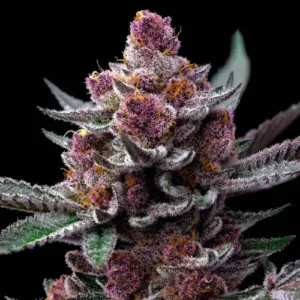
Punch Pie - Tyson S

|
THC | 21% - 22% (Medium) |

|
Lineage | Purple Punch x Purple Kush |

|
Type | Feminized |

|
Height | 4.27 ft | 1.3 m |

|
Yield | High |

|
Yield Indoor | 1.8 - 1.97 oz/ft² | 550 - 600 g/m² |

|
Yield Outdoor | 22.93 - 26.46 oz/plant | 650 - 750 g/plant |

|
Flowering Time | 7 - 9 weeks |

|
Phenotype | 90% Indica / 10% Sativa |

|
Effects | Calming, Euphoric, Relaxed |

|
Flavors | Blueberry, Candy, Earthy |
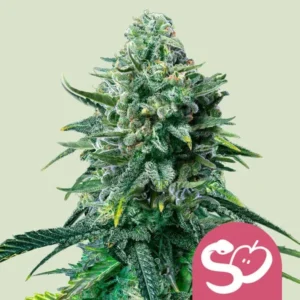
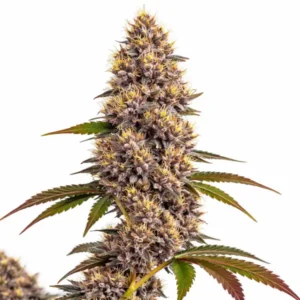
Forbidden Fruit Strain
|
|
THC | 24% - 25% (High) |
|
|
Lineage | Cherry Pie x Tangie |
|
|
Type | Feminized |
|
|
Height | 5.25 ft | 1.6 m |
|
|
Yield | High |
|
|
Yield Indoor | 1.47 - 1.64 oz/ft² | 450 - 500 g/m² |
|
|
Yield Outdoor | 17.64 - 19.4 oz/plant | 500 - 550 g/plant |
|
|
Flowering Time | 8 - 10 weeks |
|
|
Phenotype | 70% Indica / 30% Sativa |
|
|
Effects | Calming, Euphoric, Relaxed, Uplifted |
|
|
Flavors | Candy, Citrus, Earthy, Fruity, Pine |
What Makes Rice Crispy Edibles Strong?
The strength of a cannabis rice crispy treat comes primarily from the amount of active THC in each finished piece, not from the strain name, flavor of the flower, or how strongly the finished dessert tastes like cannabis. If a tray contains 100 mg of THC and you cut it into 20 equal pieces, each piece contains approximately 5 mg before accounting for any uncertainty in a homemade infusion.
This is why the most useful number is milligrams of THC per serving. Homemade cannabis edibles can be difficult to measure precisely, and public-health guidance specifically warns that edible THC content can be uncertain and that delayed effects increase the risk of consuming too much.
A “strong” edible should therefore mean a deliberately measured higher-potency batch, not an unidentified amount of cannabis mixed into a recipe.
Strong Cannabis Rice Crispy Treats Recipe
For a standard tray, use approximately 6 cups of crisp rice cereal, 5 to 6 cups of mini marshmallows, about 4 tablespoons of total butter, a measured portion of that butter as THC-infused cannabutter, and optional vanilla or a small pinch of salt.
The crucial variable is the cannabutter. Instead of increasing the total amount of fat every time you want stronger treats, keep the recipe’s overall butter quantity reasonably consistent and adjust the potency of the infused portion. Too much total butter can make cereal treats greasy, soft, or difficult to set.
If you need to prepare the infused ingredient first, the same principles used in other weed butter recipes apply: what matters here is knowing or conservatively estimating how much THC the finished butter contains before it reaches the cereal mixture.
Calculate the THC Before You Start
Before melting anything, calculate the approximate potency of the full tray.
The basic formula is:
total estimated THC in the recipe ÷ number of equal pieces = estimated THC per treat
Suppose the cannabutter going into the recipe contains approximately 100 mg of THC in total. If you cut the finished tray into 20 equally sized pieces, each treat would contain roughly 5 mg. If the same tray contained 200 mg and was divided into 20 pieces, the theoretical result would be approximately 10 mg each.
Those calculations only work as estimates when the potency of the starting infusion is reasonably well known and the mixture is distributed uniformly. Homemade flower infusions introduce additional uncertainty because decarboxylation, extraction efficiency, loss during handling, and mixing are not perfectly controlled.
That uncertainty is one reason I would not build this article around extreme-dose recipes. Health Canada recommends 2.5 mg THC or less as a low starting amount and advises particular caution at 10 mg or more because greater THC exposure increases impairment and the likelihood of adverse effects.
How to Make the Rice Crispy Treats
Begin by preparing a baking dish with parchment paper so the finished mixture can be removed cleanly. Have the cereal measured before heating the marshmallows because the mixture becomes increasingly difficult to spread as it cools.
Melt the regular butter and your measured portion of cannabutter together over gentle heat. Once the fats are combined, add the marshmallows and stir until the mixture is smooth and fully melted. Avoid prolonged unnecessary heating once the ingredients have combined.
Remove the pan from the heat and immediately fold in the rice cereal. Continue mixing from the bottom and sides of the pan until the cereal is thoroughly and evenly coated. This stage matters for more than texture: poor mixing can also create uneven cannabinoid distribution, meaning one section of the tray could contain more infused fat than another.
Transfer the mixture into the prepared dish and press it into an even layer without compacting it excessively. Allow it to cool and firm before portioning.
How to Make Strong Edibles More Consistent
For strong rice crispy edibles, uniformity matters as much as total potency. A 200 mg batch divided badly is less predictable than a weaker batch divided carefully.
Mix the infused butter completely with the regular butter before adding the marshmallows, then make sure the melted marshmallow mixture looks homogeneous before adding the cereal. Once the cereal is incorporated, distribute the mixture evenly across the pan rather than leaving one end thicker than the other.
After cooling, measure the tray and cut equal portions rather than eyeballing dramatically different squares. If the estimated batch potency is 100 mg but one piece is twice the size of another, the mg-per-piece calculation no longer means much.
The same principle is why portioned products such as THC chocolate bars are easier to reason about when each section has a clearly defined amount: serving size only helps when the active ingredient has been distributed consistently.
How Strong Should a Rice Crispy Edible Be?
There is no universal ideal dose because THC responses vary substantially between people. Previous cannabis exposure, individual sensitivity, the amount eaten, other substances consumed, and whether food is already in the stomach can all affect the experience.
For people with little or no edible experience, official Canadian guidance suggests beginning with 2.5 mg THC or less and waiting for the full effects before considering more. It advises greater caution with 2.5–10 mg and the most caution with amounts of 10 mg or more.
Therefore, a recipe targeting “strong” edibles should not imply that everyone needs 20, 50, or 100 mg per treat. A better approach is to make the batch strength known, divide it predictably, and allow experienced consumers to choose an appropriate portion.

Why Strong Edibles Can Feel Different From Smoking
Eating THC is pharmacologically different from inhaling it. After ingestion, THC undergoes substantial first-pass metabolism, including conversion to 11-hydroxy-THC, and the onset is considerably slower than with inhaled cannabis. Health Canada notes that edible effects may begin within roughly 30 minutes to 2 hours but can take as long as 4 hours to reach their full intensity.
That delay is especially relevant with strong rice crispy treats. Someone may eat a piece, assume after 45 minutes that it was too weak, and take another before the first serving has reached its full effect. CDC specifically identifies this delayed onset as one reason edibles carry a greater risk of overconsumption and poisoning than inhaled cannabis.
So the most important advice for a potent batch is simple: know the estimated amount in each piece and avoid rapid redosing.
Cannabutter vs Concentrates for Strong Rice Crispy Treats
Cannabutter made from flower works well for this recipe, but its potency is often an estimate unless the infused butter itself has been analytically tested. Variations in starting flower, decarboxylation and extraction efficiency make exact milligrams difficult to calculate from a flower THC percentage alone.
Cannabis concentrates can contain much higher THC concentrations than flower, which makes small measuring errors much more significant. Health Canada specifically advises additional caution with highly concentrated cannabis extracts because higher THC levels can cause greater impairment and increase the risk of adverse effects.
For a general home recipe, cannabutter with a known or conservative estimated potency is therefore easier to explain responsibly than turning this page into a guide for producing extremely concentrated edibles.
Do You Need a Specific Weed Strain?
No specific cannabis strain is required to make strong edible rice crispy treats.
The current version of this article recommends Punch Pie and Forbidden Fruit and later suggests Blue Dream, Sour Diesel, and OG Kush according to the desired edible effect. That gives strain choice far more importance than it deserves for this recipe.
What determines the theoretical potency of the finished food is the amount of active THC entering the recipe. A 20% THC flower does not automatically create a stronger edible than another flower unless the amount used, decarboxylation, extraction efficiency, and serving size are also considered.
For this particular page, I would therefore focus on measured potency rather than strain shopping.
Can You Make Them Stronger Without Adding More Butter?
Yes. The amount of THC and the amount of butter are separate variables.
If increasing the dose means adding substantially more total butter, the texture can deteriorate. A more controlled recipe keeps the total amount of fat compatible with the cereal-and-marshmallow structure while using an infused ingredient with an appropriate known concentration.
The same logic applies to other cannabis recipes: potency should be calculated from the infused ingredient rather than adjusted blindly by changing the food recipe itself.
How to Store Cannabis Rice Crispy Treats
Allow the treats to cool fully before placing them in a sealed food-safe container. Separate layers with parchment paper if necessary and keep the container protected from excess heat and direct sunlight. For longer food storage, refrigeration or freezing may be appropriate depending on the ingredients and how long you intend to keep them.
The more important cannabis-specific precaution is labeling. Edible cannabis can resemble normal baked goods and candy, so public-health authorities recommend clearly labeling cannabis foods and storing them securely away from ordinary food, children, and pets.
For a strong batch, include the estimated total THC and THC per piece on the container rather than relying on memory.
Common Reasons Cannabis Rice Crispy Treats Turn Out Weak
A weak batch does not necessarily mean you chose the wrong strain. Potency can fall short because the infused ingredient contained less THC than expected, the batch calculation assumed unrealistic extraction efficiency, the cannabinoids were distributed unevenly, or the tray was cut into more portions than originally planned.
The opposite can happen too. Homemade potency calculations frequently rely on assumptions, so a treat estimated at 5 or 10 mg should not be treated as laboratory-certified simply because the arithmetic was correct.
This is particularly important when sharing homemade edibles. A person consuming the treat needs to know that the stated potency is an estimate rather than a verified commercial label.
Strong Edible Rice Crispy Treats: Bottom Line
The best way to make strong edible rice crispy treats is to control concentration rather than simply adding more cannabis.
Start with an infused butter whose potency is known or conservatively estimated, calculate the total THC going into the tray, mix the butter and marshmallows thoroughly, spread the finished mixture evenly, and divide it into equal portions. The potency of each piece is then estimated by dividing total batch THC by the number of servings.
Strong should not mean unpredictable. Edible THC can take several hours to reach its full effect, and higher doses carry a greater risk of unwanted impairment and adverse effects.
A well-made potent edible is therefore one where the consumer can tell approximately how much THC is in each square.

FAQs About Strong Edible Rice Crispy Treats
How do you make rice crispy edibles stronger?
Increase the concentration of THC in the infused ingredient rather than continually adding more total butter. First estimate the THC entering the entire batch, then divide that number by the number of equal portions. Keep in mind that homemade cannabutter calculations are estimates unless the infusion itself has been laboratory tested.
How many milligrams should be in a strong edible?
There is no universal definition of “strong.” Health Canada recommends that new or occasional consumers start with 2.5 mg THC or less and advises increasing caution as edible THC rises, particularly at 10 mg or more. Individual response and tolerance vary substantially, so higher potency is not inherently better.
How long do strong rice crispy edibles take to kick in?
Edible cannabis can begin producing effects within approximately 30 minutes to 2 hours, but it may take as long as 4 hours to feel the full effect. That delayed onset is why eating another serving too soon can result in unexpectedly high THC exposure.
How do I calculate THC per rice crispy treat?
Estimate or identify the total milligrams of THC added to the complete recipe, then divide that amount by the number of equally sized treats. A 100 mg batch cut into 20 equal squares would theoretically contain about 5 mg per square. Homemade infusion losses and uneven mixing can make the real amount differ.
Why are my homemade edibles uneven in strength?
Uneven distribution commonly results when the cannabis-infused fat is not fully incorporated into the melted butter and marshmallow mixture or when the finished tray is divided into unequal portions. Thorough mixing and equal sizing improve consistency, although homemade potency still cannot be assumed to match laboratory-tested precision.
Should cannabis rice crispy treats be refrigerated?
They can usually be kept for a short period in a sealed container based on normal food-storage considerations, while refrigeration or freezing can be useful for longer storage. Whatever method you use, clearly label the container as cannabis-infused and store it securely away from children, pets, and ordinary snacks.