

Quick answer: Brix and PPM measure different things. Brix estimates soluble solids in plant sap (a comparative read on plant status); nutrient PPM measures the concentration of dissolved nutrients in your feed solution. Use PPM to set feeding strength and avoid burn or deficiency, and Brix to track plant-status trends. They complement each other and are not interchangeable.
Getting consistent Brix readings makes a lot more sense once you see how the individual pieces fit together. Our guide to Brix Levels Matter for Cannabis Growth and our breakdown of How Refractometers Measure Plant Health in Cannabis cover the measurements and conditions that influence the numbers, so you can read sap and plant health with far more confidence.
Recommended Strains
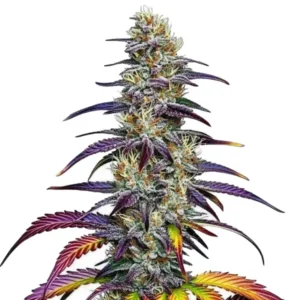
Blue Dream

|
Type | Feminized |

|
THC | 17% - 24% (High) |

|
Lineage | Blueberry x Haze |

|
Phenotype | 50% Indica / 50% Sativa |

|
Effects | Happy, Relaxed, Talkative |

|
Flavors | Berry, Blueberry, Mango, Sweet |

|
Flowering Time | 8 - 10 weeks |

|
Yield | High |

|
Yield Indoor | 1.97 oz/ft² | 600 g/m² |

|
Yield Outdoor | 17.64 - 24.69 oz/plant | 500 - 700 g/plant |

|
Height | 6.56 ft | 2 m |

|
Medical | Fatigue, Muscle Spasms, Stress |
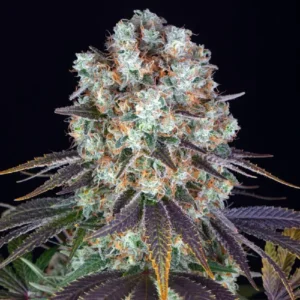
Bruce Banner
|
|
Type | Feminized |
|
|
THC | 31% - 32% (High) |
|
|
Lineage | Strawberry Diesel Strain x OG Kush Strain |
|
|
Phenotype | 40% Indica / 60% Sativa |
|
|
Effects | Relaxed, Uplifted, Creative |
|
|
Flavors | Fruity, Sweet, Apricot, Citrus |
|
|
Flowering Time | 9 - 10 weeks |
|
|
Yield | High |
|
|
Yield Indoor | 1.97 - 2.13 oz/ft² | 600 - 650 g/m² |
|
|
Height | 6.56 ft | 2 m |
A strain like Blue Dream benefits from watching both: Brix trends show how it is feeding, while the right nutrient PPM supports steady growth. The same applies to Bruce Banner and Runtz X Layer Cake across their development stages.
The sections below cover each measurement, what it means and how to apply it. Whether you grow Blue Dream, Bruce Banner or Runtz X Layer Cake, using Brix and PPM together, each for its own job, gives you a clearer read on both plant status and feeding strength.
The Importance of Brix in Cannabis Cultivation
Brix is a measurement that reflects the sugar content within plant sap. A higher Brix level typically indicates a healthier plant, as it suggests efficient photosynthesis and nutrient uptake. For cannabis growers, particularly those nurturing strains like Blue Dream, maintaining high Brix levels can translate into better flavor and aroma profiles.
Knowing the difference helps you manage plant health. Higher Brix often accompanies a vigorous plant, but be cautious with the claim that it guarantees pest and disease resistance, which is not well supported, as we cover in Brix and pest resistance. Use Brix trends to time adjustments, with PPM managing feed strength.
What Brix Tells You About Your Plants
A Brix reading shows how well a plant is converting light into sugars, a comparative signal of vigor. It does not measure cannabinoids or terpenes, so for a strain like Bruce Banner, treat a higher reading as a sign of healthy feeding rather than proof of potency, which is set by genetics and lab-verified chemistry.
Moreover, Brix levels can indicate stress factors. If your Runtz X Layer Cake plants show low Brix readings, it might suggest issues such as inadequate lighting or nutrient imbalances. Addressing these promptly can prevent potential yield losses and ensure your plants thrive.
How to Measure Brix
Measuring Brix is a straightforward process. You’ll need a refractometer, a tool that provides a Brix reading when you place a drop of plant sap on its lens. This tool is invaluable for monitoring the health of your cannabis plants. For optimal results with strains like Blue Dream, measure Brix during the morning when sugar levels are most stable.
Regular monitoring helps maintain the right conditions for your plants. For instance, if you’re cultivating Bruce Banner, frequent Brix checks can help you adjust nutrient levels or lighting conditions to optimize its growth. This proactive approach can enhance both the quality and quantity of your harvest.
Nutrient PPM: A Key Element in Cannabis Growth
Nutrient PPM is a measure of the concentration of dissolved nutrients in your watering solution. This metric is vital for ensuring your cannabis plants receive the nutrients they need without overfeeding. For strains like Runtz X Layer Cake, maintaining the right nutrient balance is crucial for its complex flavor profile and high yield potential.
The difference between Brix and nutrient PPM in cannabis becomes evident when considering nutrient uptake efficiency. While Brix focuses on the plant’s internal sugar levels, nutrient PPM ensures that the external nutrient supply is adequate yet not excessive. For Blue Dream, a balanced nutrient PPM prevents nutrient lockout and facilitates optimal growth. By recognizing the cannabis plant health Brix nutrient PPM relationship, growers can fine-tune feeding schedules and environmental conditions for Bruce Banner, resulting in healthier, more vigorous plants. Regular PPM adjustments can prevent issues like nutrient burn and ensure all strains reach their full genetic potential.
Recognizing Nutrient PPM
PPM stands for parts per million, a unit that quantifies the concentration of nutrients in your solution. High nutrient PPM can lead to nutrient burn, causing leaf tips to turn brown and potentially stunting plant growth. Conversely, low PPM might not provide enough nutrients, leading to deficiencies.
In strains such as Bruce Banner, known for its vigorous growth, carefully monitoring and adjusting nutrient PPM can significantly impact yield and potency. It’s essential to tailor nutrient solutions to the specific needs of your plants, adjusting based on growth stage and environmental factors.
Tools for Measuring PPM
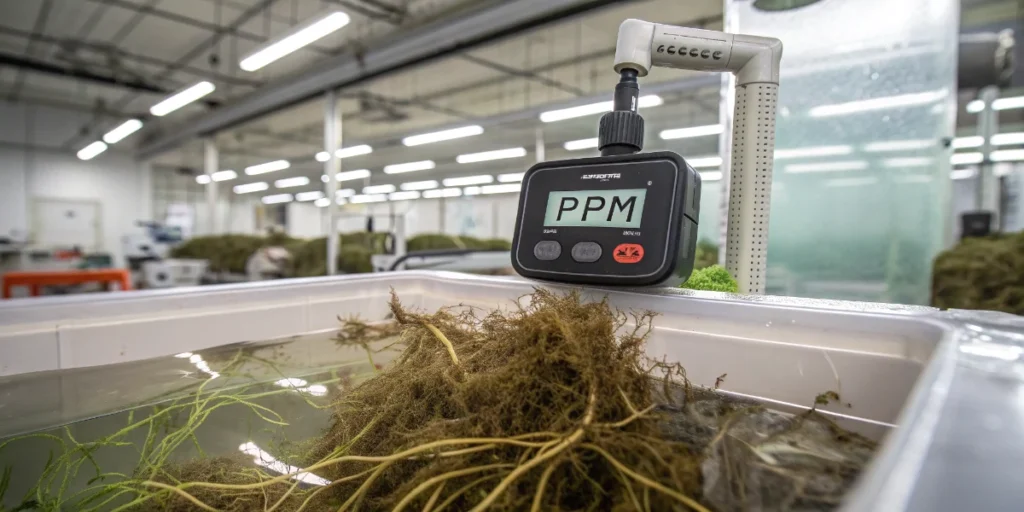
Measuring nutrient PPM requires a digital TDS (Total Dissolved Solids) meter. This tool helps you assess the concentration of nutrients in your solution. Regular checks allow you to make necessary adjustments, ensuring optimal conditions for strains like Blue Dream, which demand a precise balance for their characteristic growth patterns.
For consistent results, measure the nutrient PPM weekly and adjust your feeding schedule accordingly. This practice helps maintain the health and productivity of your cannabis plants, allowing them to reach their full potential.
| Aspect | Brix | Nutrient PPM |
|---|---|---|
| Measures | Soluble solids in plant sap | Dissolved nutrients in the feed solution |
| Tells you | How the plant is feeding (trend) | How concentrated the feed is |
| Tool | Refractometer | TDS/PPM meter |
| Use it to | Spot plant-status changes | Avoid nutrient burn or deficiency |
| Limit | Not a potency or pest measure | Not a read of plant health |
Brix vs. Nutrient PPM Cannabis Comparison
While Brix and nutrient PPM are both essential, they focus on different aspects of plant health. Brix provides insights into the plant’s internal processes and overall vitality, while nutrient PPM helps manage external nutrient intake. Together, they form a holistic approach to cannabis cultivation.
The Brix vs nutrient PPM cannabis comparison highlights the complementary roles these metrics play. For example, Runtz X Layer Cake benefits from a high Brix level for flavor while relying on precise nutrient PPM to support its structural growth. By Recognizing Brix and nutrient PPM in cannabis cultivation, growers can identify specific needs at each stage of development, permitting tailored interventions that optimize plant health. This integrated knowledge fosters a more resilient and productive growing environment, especially crucial for maximizing the unique characteristics of Growlantis strains like Blue Dream and Bruce Banner.
Integrating Both Measurements
Successful cannabis cultivation involves balancing both Brix and nutrient PPM. For instance, with a strain like Runtz X Layer Cake, high Brix levels indicate healthy sugar production, while optimal nutrient PPM ensures the plant receives necessary nutrients for growth and development.
By integrating these measurements, you can create a holistic cultivation strategy. This approach helps prevent common issues like nutrient deficiencies or imbalances, which can affect the quality and potency of strains such as Blue Dream and Bruce Banner.
Practical Application for Growers
Growers should regularly monitor both Brix and nutrient PPM. For example, during the flowering stage of Blue Dream, maintaining high Brix levels can enhance the strain’s sweet, berry-like aroma. Concurrently, adjusting nutrient PPM ensures the plant receives enough phosphorus and potassium for bud development.
Incorporating these practices into your routine can lead to healthier plants and improved yields, making it easier to achieve the desired characteristics of each strain in your garden.
Measuring Brix and Nutrient PPM for Cannabis Growth
Accurate measurements are crucial for optimizing cannabis growth. Both Brix and nutrient PPM play pivotal roles in achieving the best results from your cultivation efforts. By recognizing how to measure and adjust these parameters, you can significantly enhance the quality of your harvest.
Measuring Brix and nutrient PPM for cannabis growth allows growers to establish a data-driven cultivation approach. For strains like Bruce Banner, regular assessments enable timely interventions to correct any imbalances, ensuring the plant’s energetic growth and potent output. These measurements also provide early warnings of stress or nutrient issues in Runtz X Layer Cake, allowing for swift corrective actions. By maintaining a routine of diligent monitoring, growers can improve both the quality and quantity of the harvests, leveraging the full potential of Growlantis strains like Blue Dream.
Step-by-Step Measurement Guide
To measure Brix, start by collecting a small sample of plant sap using a garlic press or similar tool. Place a drop on the refractometer lens and read the Brix level. For nutrient PPM, use a TDS meter to test the nutrient solution before feeding your plants. These simple steps can provide valuable insights into the health and needs of your cannabis strains.
Regular monitoring and adjustment are key. For example, increasing the Brix level in a Bruce Banner plant might require adjusting light exposure or nutrient levels. Similarly, maintaining the correct nutrient PPM for a strain like Runtz X Layer Cake ensures optimal growth conditions throughout its lifecycle.
Optimizing Cannabis Plant Health
By focusing on both Brix and nutrient PPM, you can optimize the health and yield of your cannabis plants. This approach is especially beneficial for growers of Growlantis strains like Blue Dream, Bruce Banner, and Runtz X Layer Cake, where each strain’s unique characteristics can be enhanced through precise cultivation techniques.
Continual learning and adaptation are crucial. As you gain experience, you’ll better understand the specific needs of each strain, allowing for more effective cultivation strategies and improved results.

Frequently asked questions
What is the main difference between Brix and nutrient PPM in cannabis cultivation?
The key difference is focus. Brix measures soluble solids in the plant’s sap, a comparative read on how it is feeding; nutrient PPM measures the concentration of nutrients in your water. Both matter for strains like Blue Dream and Bruce Banner: PPM sets feed strength, while Brix trends track how the plant responds.
How do Brix levels affect cannabis nutrient PPM?
Indirectly. A Brix trend reflects how well a plant is absorbing and using nutrients, so a falling trend can hint that your feed (managed by PPM) needs adjusting. Reading them together helps you avoid imbalances; just treat Brix as a plant-status signal, not a direct nutrient measurement.
Why is it important to measure both Brix and nutrient PPM for cannabis growth?
Together they give a fuller picture: Brix reflects internal plant status, while PPM controls the external feed strength. Using both helps you catch feeding issues early and avoid burn or deficiency for strains like Blue Dream and Bruce Banner, rather than relying on one number alone.
Can Brix and nutrient PPM measurements vary between cannabis strains?
Yes. Different strains feed differently, so Blue Dream may want a different nutrient PPM than Runtz X Layer Cake, and their Brix trends can differ too. Learn each strain’s baseline under your conditions, then adjust feed strength by PPM and monitor plant status by Brix trend.
What tools are needed to measure Brix and nutrient PPM in cannabis plants?
You need a refractometer for Brix (soluble solids in sap) and a digital TDS/PPM meter for nutrient concentration in your solution. Both are simple and worth having: one tracks plant status, the other manages feed strength, and together they support healthier plants for strains like Bruce Banner and Runtz X Layer Cake.