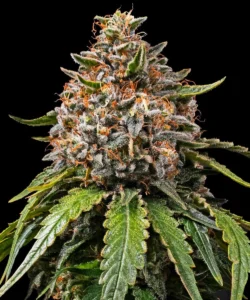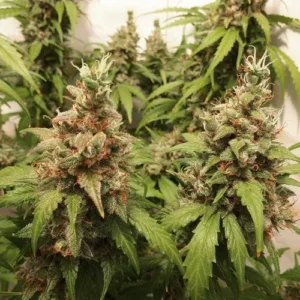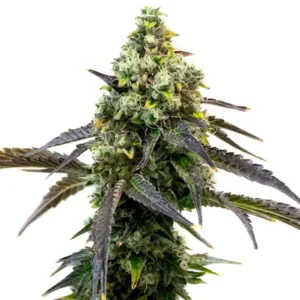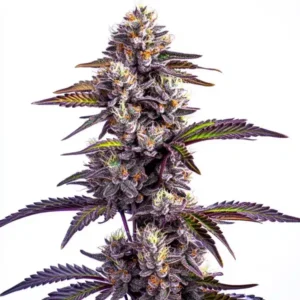


For both novice and seasoned cannabis cultivators, the relationship between Brix and cannabis quality is an intriguing topic. Brix, a measure of sugar content in plant sap, can offer insights into the overall health and potential potency of your cannabis plants. The higher the Brix level, the better the plant’s ability to photosynthesize efficiently, leading to healthier and more robust growth. But what does this mean for cannabis quality? Let’s examine how Brix levels correlate with the quality and yield of cannabis, including strains like White Widow, Pink Runtz, and White Widow XXL from Growlantis.
Recognizing Brix levels can enhance your cannabis cultivation strategy. A high Brix level indicates a nutrient-rich plant, often translating to more flavorful and potent buds. For instance, White Widow, known for its balance between potency and flavor, can benefit greatly from monitoring Brix levels. By maintaining optimal Brix, you ensure that White Widow develops its full potential of resinous buds and balanced THC/CBD levels.
Recommended Strains
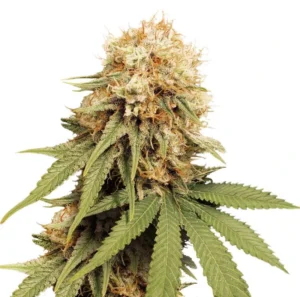
White Widow

|
THC | 24% - 25% (High) |

|
Lineage | South American Sativa Landrace x South Indian Indica Landrace |

|
Type | Feminized |

|
Height | 5.25 ft | 1.6 m |

|
Yield | High |

|
Yield Indoor | 1.64 - 2.13 oz/ft² | 500 - 650 g/m² |

|
Flowering Time | 9 - 10 weeks |

|
Phenotype | 60% Indica / 40% Sativa |

|
Effects | Euphoric, Happy, Uplifted |

|
Flavors | Earthy, Pungent, Spicy |
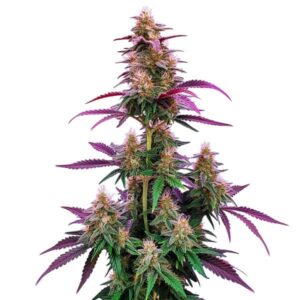
Pink Runtz
|
|
THC | 20% - 24% (High) |
|
|
Lineage | Pink Panties x Rainbow Sherbet |
|
|
Type | Feminized |
|
|
Height | 3.94 ft | 1.2 m |
|
|
Yield | Medium |
|
|
Yield Indoor | 1.15 - 1.31 oz/ft² | 350 - 400 g/m² |

|
Yield Outdoor | 15.87 - 19.4 oz/plant | 450 - 550 g/plant |
|
|
Flowering Time | 8 - 10 weeks |
|
|
Phenotype | 50% Indica / 50% Sativa |

|
Medical | Anxiety, Depression, Pain |
|
|
Effects | Creative, Euphoric, Happy |
|
|
Flavors | Berry, Spicy |
Pink Runtz, another popular strain from Growlantis, is celebrated for its sweet, fruity aroma and vibrant coloration. The correlation between Brix and cannabis terpene profile is particularly evident here. High Brix readings can enhance the terpene development in Pink Runtz, leading to a richer and more aromatic harvest.
Let’s delve deeper into how measuring Brix for cannabis quality assessment can transform your cultivation practices. With strains like White Widow XXL, known for its larger yields and extended flowering time, recognizing the relationship between Brix and cannabis cultivation success is key to maximizing output and quality.
What is Brix and How Does it Relate to Cannabis Quality?
Brix is a scale for measuring the sugar content in plant sap, offering a snapshot of a plant’s nutritional status. In cannabis cultivation, Brix levels are a critical indicator of plant health, affecting growth, flavor, and potency. By examining the Brix levels, growers can make informed decisions about nutrient management and environmental adjustments.
When discussing the relationship between Brix and cannabis quality, it’s essential to consider how sugar levels influence plant processes. High Brix levels often indicate a plant’s robust health, with more efficient photosynthesis and nutrient absorption. This vigor translates into better-quality cannabis, with improved potency and terpene profiles.
White Widow XXL, with its longer flowering cycle, benefits from consistent Brix monitoring. Higher Brix levels during the growth phase can result in a higher yield and superior resin production, enhancing both the quantity and quality of the harvest. This makes it a prime candidate for growers looking to optimize their crop through precise Brix management.
The relationship between Brix and cannabis quality extends beyond just the physical health of the plants. It also influences genetic expression, which can lead to more pronounced characteristics of each strain. For example, the unique balance of White Widow’s cannabinoid profile can be accentuated through strategic Brix management, while Pink Runtz’s aromatic profile can be further enriched, allowing the full spectrum of its attributes to shine through, thus highlighting the importance of Brix levels impact on cannabis potency and flavor.
Measuring Brix Levels in Cannabis Plants
To measure Brix levels, a refractometer is typically used. This device calculates the sugar content in the plant sap by measuring how light bends as it passes through the sap. Regular monitoring of Brix levels allows growers to adjust nutrient inputs to maintain optimal plant health.
For instance, if the Brix levels for Pink Runtz are lower than desired, a grower might increase phosphorus or potassium to enhance sugar production and, ultimately, terpene and THC development. By closely tracking these readings, you can ensure that your Pink Runtz plants achieve their full aromatic and psychoactive potential.
Brix and Plant Health: A Direct Correlation
The correlation between Brix levels and plant health is straightforward. Healthy plants with high Brix levels are less susceptible to pests and diseases, as the sugar-rich sap is less appealing to many harmful insects. This natural defense mechanism allows for reduced pesticide use, which is a significant benefit for both indoor and outdoor cannabis cultivators.
For White Widow, maintaining high Brix levels not only boosts its THC content but also fortifies the plant against common pests. This strain, beloved for its resilience and potency, benefits greatly from the tactical use of Brix measurements to enhance overall plant health and final product quality.
The Impact of Brix Levels on Cannabis Potency and Flavor
The impact of Brix levels on cannabis potency is profound. Sugar levels directly influence the plant’s ability to produce cannabinoids like THC and CBD. For a strain like White Widow, high Brix readings can lead to more potent buds, ensuring the desired effects are achieved.
Flavor, another critical aspect of cannabis quality, is greatly affected by Brix levels. The relationship between Brix readings and cannabis flavor is evident in strains like Pink Runtz, where high sugar content enhances the strain’s signature sweet and fruity notes.
In the context of potency and flavor, White Widow XXL demonstrates how strategic Brix management can maximize both attributes. By maintaining high Brix levels throughout the growth cycle, growers can ensure a harvest that is both potent and palatable, appealing to a wide range of consumers.
The relationship between Brix and cannabis quality is further illustrated by the nuanced effects Brix has on the sensory attributes of cannabis. By maintaining high Brix levels, Pink Runtz’s complex flavor profile is enhanced, offering a richer, more diverse tasting experience. Similarly, the robust potency of White Widow is amplified, ensuring consistent psychoactive effects that meet consumer expectations. These enhancements highlight how Brix levels impact cannabis potency and flavor, making Brix management an integral part of cultivation success.
Enhancing Terpene Profiles with Optimal Brix
Terpenes, the aromatic compounds in cannabis, play a crucial role in defining the flavor and aroma profile of each strain. The correlation between Brix and cannabis terpene profile is significant, as high sugar levels can enhance terpene production.
For Pink Runtz, optimizing Brix levels can accentuate its unique terpene profile, resulting in a more aromatic and flavorful product. This enhancement not only improves the sensory experience for consumers but also boosts the market value of the strain.
Maximizing THC and CBD Levels through Brix Management
THC and CBD, the primary cannabinoids in cannabis, are influenced by the plant’s nutritional status. High Brix levels can support robust cannabinoid production, directly impacting the potency and therapeutic benefits of the cannabis.
White Widow XXL, known for its high THC content, can see significant improvements in cannabinoid levels with effective Brix management. By ensuring the plant has the necessary sugars to support cannabinoid synthesis, growers can produce a more potent and desirable product.

Practical Tips for Managing Brix Levels in Cannabis Cultivation
Achieving and maintaining optimal Brix levels requires attention to detail and a proactive approach to plant care. Here are some practical tips for managing Brix levels effectively in your cannabis cultivation.
Firstly, ensure your plants receive a balanced diet of nutrients. The relationship between Brix and cannabis cultivation success hinges on proper nutrition. For strains like White Widow, a balanced nutrient regimen can support high Brix levels and improved plant health.
Secondly, monitor environmental factors such as light, temperature, and humidity. These elements influence photosynthesis and, subsequently, Brix levels. Consistent monitoring can help create an environment conducive to high Brix readings.
Moreover, recognizing the relationship between Brix and cannabis quality allows for more targeted and effective cultivation strategies. Implementing controlled irrigation practices can prevent nutrient leaching and encourage optimal nutrient uptake, essential for maintaining high Brix levels. Additionally, regularly calibrating equipment like refractometers ensures accurate Brix readings, providing reliable data to guide cultivation decisions. These practices, combined with strain-specific insights, form the foundation for a successful cannabis cultivation strategy that maximizes both yield and quality.
Nutrient Management for Optimal Brix
Nutrient management is crucial for maintaining high Brix levels. Ensure your cannabis plants receive adequate macro and micronutrients, particularly during critical growth phases. Regular soil testing and adjustments can help maintain the nutrient balance necessary for high Brix levels.
For a strain like Pink Runtz, which thrives on a nutrient-rich environment, precise nutrient management can enhance both Brix levels and the resulting terpene richness, ultimately leading to a superior final product.
Environmental Control and Its Influence on Brix
Environmental control is another key factor in managing Brix levels. Cannabis plants need the right balance of light, temperature, and humidity to optimize photosynthesis and sugar production.
For White Widow XXL, maintaining a stable environment with adequate light and temperature control can support high Brix levels, leading to a more productive flowering phase and higher yield. Consistent environmental management is essential for maximizing the benefits of Brix in cannabis cultivation.
How Brix Levels Affect Different Cannabis Strains
Different cannabis strains may respond uniquely to Brix levels due to their genetic makeup and growing requirements. Recognizing these differences can help tailor your cultivation approach to maximize quality and yield.
White Widow is known for its balanced effects and resilience. By maintaining high Brix levels, growers can enhance this strain’s potency and resistance to pests, delivering a reliable and high-quality product.
Pink Runtz, with its distinctive terpene profile, benefits from Brix management that focuses on flavor enhancement. High Brix levels support the development of its sweet and fruity notes, making it a favorite among connoisseurs.
White Widow XXL: Yield and Quality Enhancement
White Widow, Pink Runtz, and White Widow XXL each offer unique challenges and opportunities when it comes to Brix management. The relationship between Brix and cannabis quality manifests differently across these strains, necessitating a tailored approach. For example, while White Widow XXL requires consistent Brix levels to achieve its potential yield, Pink Runtz benefits from focused efforts on terpene enhancement. Recognizing these nuances allows growers to fine-tune their methods, maximizing the benefits of high Brix levels and ensuring that each strain reaches its full potential in both quality and market appeal.

FAQs: Brix and Cannabis Quality
Does Brix influence flavor and aroma?
Yes, directly. High Brix levels promote terpene synthesis, which defines aroma and flavor. Strains with complex terpene profiles benefit significantly from optimized Brix levels.
How do you measure Brix in cannabis plants?
Brix is measured using a refractometer. A small sample of plant sap (usually from a leaf) is placed on the device, which calculates sugar concentration based on light refraction.
How often should Brix levels be measured?
Ideally, 1–2 times per week. Single readings are not very useful the key is tracking trends over time to understand plant performance.